
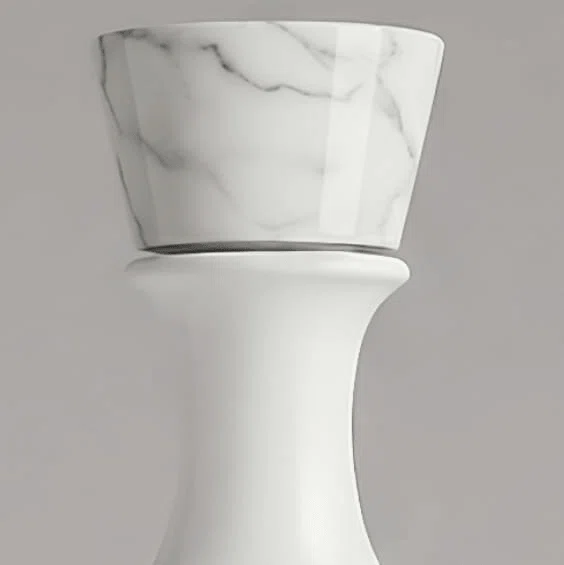
As a technical lead in perfume packaging R&D, I often meet brand decision-makers visiting our showroom and will Custom Natural Stone Perfume Caps.
Many hold the samples, running their fingers over the surfaces. Their eyes show excitement, but also lingering hesitation. They won’t directly tell you, “I’m worried,” but their pauses and subtle shifts in expression reveal concerns that go far beyond standard contract terms.
Custom natural stone perfume caps offer undeniable luxury and uniqueness, instantly elevating a niche or high-end fragrance line. But transitioning a concept from sample to mass production means facing six major hurdles.

Here is a look at those unspoken concerns—and the engineering solutions we have put in place to address them.
1. Batch Color Variations: “Will the next order look like a completely different Natural Stone Fragrance Caps?”
Last month, a procurement director for a luxury niche fragrance brand asked me: “Our first batch looks like a delicate ink painting. Will the second batch end up looking like muddy water?”
Because every piece of natural stone is crafted by nature, no two caps are identical. What brands fear isn’t minor natural variation—it’s the inconsistency visible on store shelves, prompting customers to ask, “Why does my friend’s cap look better than mine?”
Solution:
We don’t promise absolute uniformity; instead, we establish a Stone Color & Grain Grading System alongside a Two-Way Sample Retention & Traceability Protocol.
During the sign-off phase, we define a clear “acceptable tolerance range” (establishing upper and lower boundary limits, such as Range A, B, and C). Prior to dispatch, every batch is measured against master samples using spectrophotometer color matching and gloss testing to ensure visual harmony across all production runs.
2. Hidden Cracks & Durability: “Will these stone perfume caps crack three months after reaching customers?”
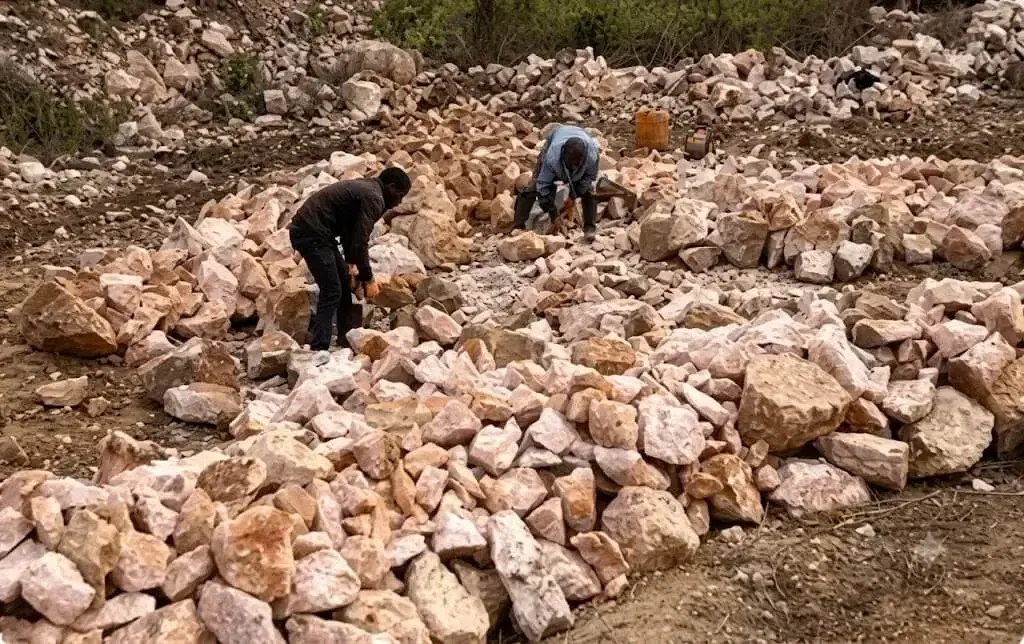
Natural stones can carry internal micro-fissures that are invisible to the naked eye.
A client once shared a frustrating past experience with a different supplier: a shipment of marble caps sent overseas experienced sharp temperature swings during ocean freight. Upon opening the crates, several caps had developed hairline fractures along their natural veins. The resulting customer service costs and brand damage were devastating.
Solution:
Every custom stone cap must pass three rigorous reliability tests before leaving our facility:
- Thermal Shock Test: Rapid cycling between extreme temperatures (from -20°C to 60°C).
- High Humidity Test: Simulating tropical shipping routes and steamy bathroom environments.
- Drop Test: Simulating everyday accidental drops by end consumers.
We back this up with third-party lab inspection reports and clear quality guarantees, replacing guesswork with hard data.
3. Fit and Seal Integrity with the Natural Stone Fragrance Lids: “Will it leak or cause fragrance evaporation?”
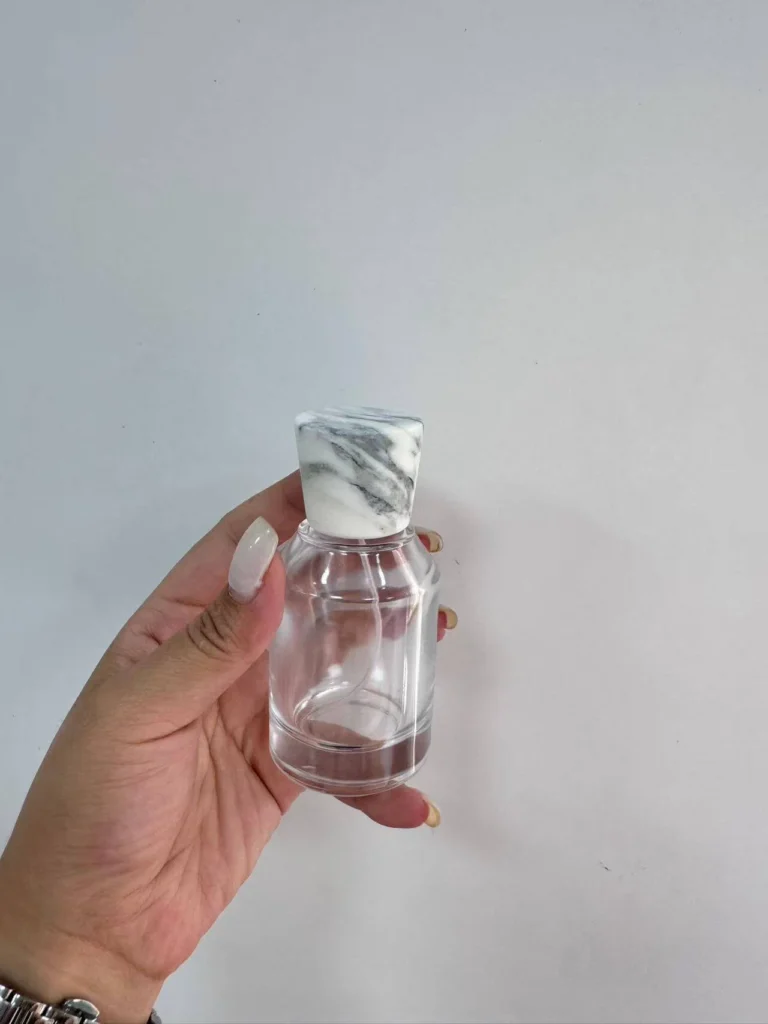
Stone is a rigid material, making its pairing with a glass bottle neck exceptionally delicate. If the fit is too loose, precious perfume evaporates; if it’s too tight, it becomes difficult to open or can even shatter the bottle neck.
If a filled perfume bottle leaks in transit, it ruins entire master cartons and leads to costly logistics claims.
Solution:
We strongly advise against direct “stone-on-glass” threading.
We utilize a hybrid structure featuring an “outer stone shell with an inner precision collar”. The outer layer consists of sculpted natural stone, while the core houses a CNC-machined inner insert (made of ABS, PP, threaded metal, or a magnetic inner closure).
By keeping tolerances within 0.05mm, we deliver a smooth, luxurious handfeel paired with a reliable, leak-proof seal.
4. Scent Interference: “Does the stone itself carry an unwanted odor?”
Master perfumers hold immense authority within a brand. Certain raw sedimentary rocks or improperly treated stones can emit subtle mineral or earthy scents. While faint to the average person, to a sensitive nose, this can ruin a fragrance.
If a cap interferes with the fragrance profile, a perfumer will veto the packaging immediately, bringing the project to a halt.
Our Solution:
- Material Selection: We prioritize dense, chemically stable, and completely odorless materials—such as high-grade quartzites, agates, and dense natural marbles.
- Triple-State Olfactory Testing: We provide third-party odor inspection reports evaluating the material under ambient temperatures, heated conditions (40°C), and high humidity. This ensures the cap remains scent-neutral, fully preserving the perfumer’s original creation.
5. Weight & Shipping Costs for Stone Fragrance Caps: “Is air freight going to drain our margins?”
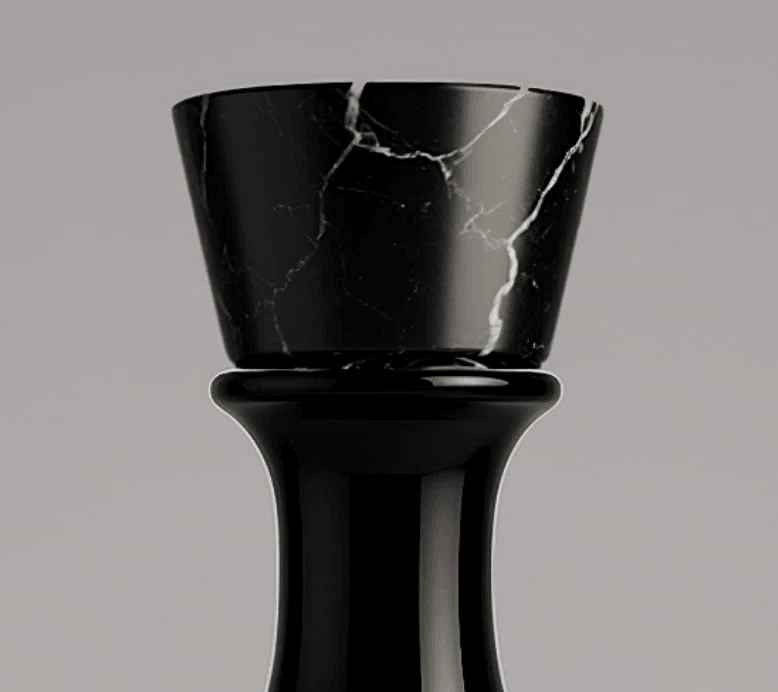
Natural stone is dense. Consider the math: a standard plastic cap weighs around 15 grams, whereas a solid natural stone cap can weigh up to 80 grams. A run of 10,000 bottles adds hundreds of kilograms in air freight expenses.
For mid-to-high-end fragrance lines, these logistics costs can severely squeeze profit margins.
Solution:
We apply ultra-thin precision sculpting combined with hollowed-out weight-reduction geometry.
By carving out excess interior stone while integrating lightweight structural inner liners, we preserve the substantial, premium feel in the customer’s hand while significantly cutting actual shipping weight and air freight expenses.
6. Quarry Supply Stability: “If this becomes a bestseller, can you keep supplying the same stone?”
Fragrance brands build long-term product lines, not just one-off novelties. A brand’s biggest fear is launching a hit product, only to be told by the manufacturer, “Sorry, that quarry ran dry.”
Replacing a key material forces a brand to reshoot marketing assets, update collateral, and handle customer confusion at substantial cost.
Solution:
- Quarry Reserve Disclosure: Right at project inception, we disclose raw material reserves from our partner quarries to guarantee a stable supply lifecycle of at least 3 to 5 years for your chosen stone.
- Secondary Sourcing Contingency: For every custom stone, we identify and approve 1 to 2 backup stone options with near-identical physical characteristics and visual appearance, safeguarding your supply chain against unforeseen disruptions.
Summary: Core Evaluation Matrix for Custom Natural Stone Perfume Caps
| Focus Area | Unspoken Brand Concern | Technical & Process Solution | Quality Assurance Standard |
| Color Consistency | Color variance between production runs damages brand image. | Stone grading system with defined tolerance boundary samples. | Two-Way Sample Retention; spectrophotometer color matching. |
| Structural Durability | Caps developing hidden cracks during shipping or daily use. | Dense stone selection paired with thermal cycling and drop testing. | Comprehensive third-party physical performance test reports. |
| Sealing Performance | Loose fit causing leakage or fragrance evaporation. | Outer stone shell combined with a precision inner lining collar. | Tolerances within 0.05mm; high-pressure leak testing. |
| Scent Neutrality | Mineral odors interfering with the scent profile. | Selection of non-porous stones; high-grade, low-VOC adhesives. | Ambient, high-humidity, and heated odor test reports. |
| Logistics Costs | Heavy caps driving up international air freight costs. | Hollowed-out internal geometry to optimize visual weight vs. actual mass. | Optimized unit cap weight to reduce overall shipping costs. |
| Supply Chain | Depleted quarries halting production of winning SKUs. | Partnerships with major mining operators; pre-approved reserve stones. | Contracted multi-year supply commitment for core stone types. |
Custom Natural Stone Perfume Lids Frequently Asked Questions (FAQ)
Because natural stone requires slab quarrying and precision machining, setup costs are higher than standard materials. The recommended MOQ for a custom stone cap typically ranges from 1,000 to 3,000 units, depending on stone rarity and sourcing parameters.
High-density, structurally stable, and non-porous stones perform best. Examples include natural agate, hard marble, quartzite, and certain jade varieties. Highly porous stones (such as travertine) require specialized resin-filling and surface sealing treatments before use.
Yes. We hollow out the internal stone cavity and integrate a high-strength magnetic inner assembly. This delivers a satisfying “click” closure while protecting the outer stone from direct impact.
We apply a nano-scale hydrophobic and oleophobic sealer (available in matte or glossy finishes) to the finished stone surface, preventing perfume liquids and skin oils from penetrating the material.
Yes. Sampling for standard, available stone stock typically takes 10 to 15 days. If custom or rare stone sourcing is required, sampling lead time is approximately 20 days.
You only need to supply your bottle neck technical drawings or physical bottle neck samples. Our structural engineering team handles the inner liner design, tolerances, and fitment testing.
While they are premium components, the cost remains manageable relative to the added value. Due to quarrying, material yield, and precision CNC carving, stone caps cost more than standard plastic or zinc alloy, making them ideal for high-end, luxury, or limited-edition lines.
We pack all caps using custom, high-density molded EVA foam inserts to ensure zero contact during transport. Should any damage occur due to packaging issues, we provide full replacements or compensation.
Yes. Popular options include laser engraving into the stone, foil stamping/inlay, embedding a custom metal logo plaque, engraving the inner metal ring, or combining the stone with a branded zinc alloy shell.
Natural stone is brittle; machining fine internal screw threads directly into stone leads to chipping, cracking, and wear over time. Using an “outer natural stone shell + inner engineering plastic/metal threaded liner” is the established industry standard among global luxury fragrance houses.
