

Today, there are so many perfume brands on the market. Niche and new perfume brands want to stand out on the store shelf. Because of this, they work very hard on packaging design.Natural texture, cool touch, and unique style—a custom irregular stone perfume cap becomes a favorite choice. Many perfumers and brand owners love it to create a unique look that catches buyers’ eyes.
However, moving from a pretty 3D picture to a real stone cap on a bottle is not easy. There is a huge gap between dream and reality.
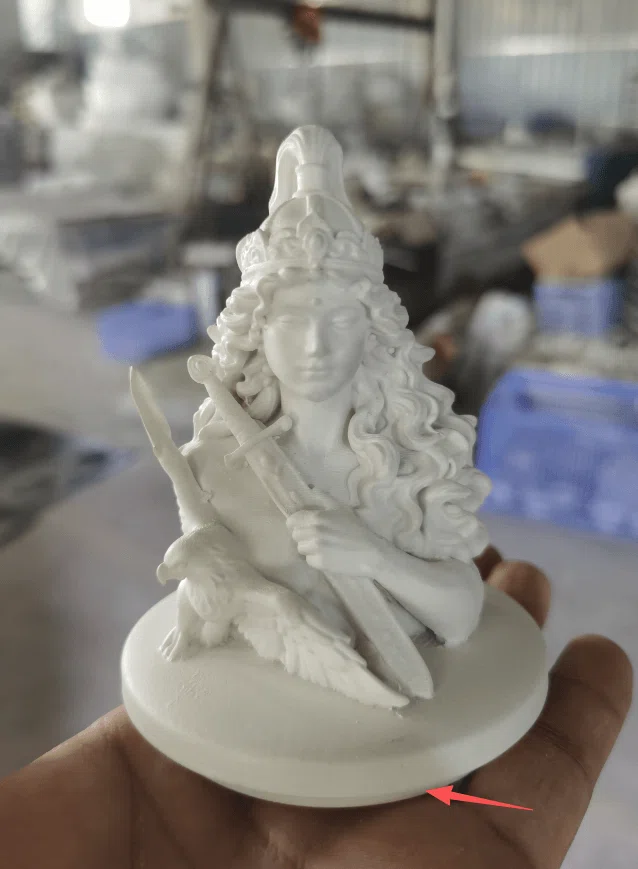
1. The Dream Start: A Beautiful Design Picture for Irregular Stone Perfume Caps
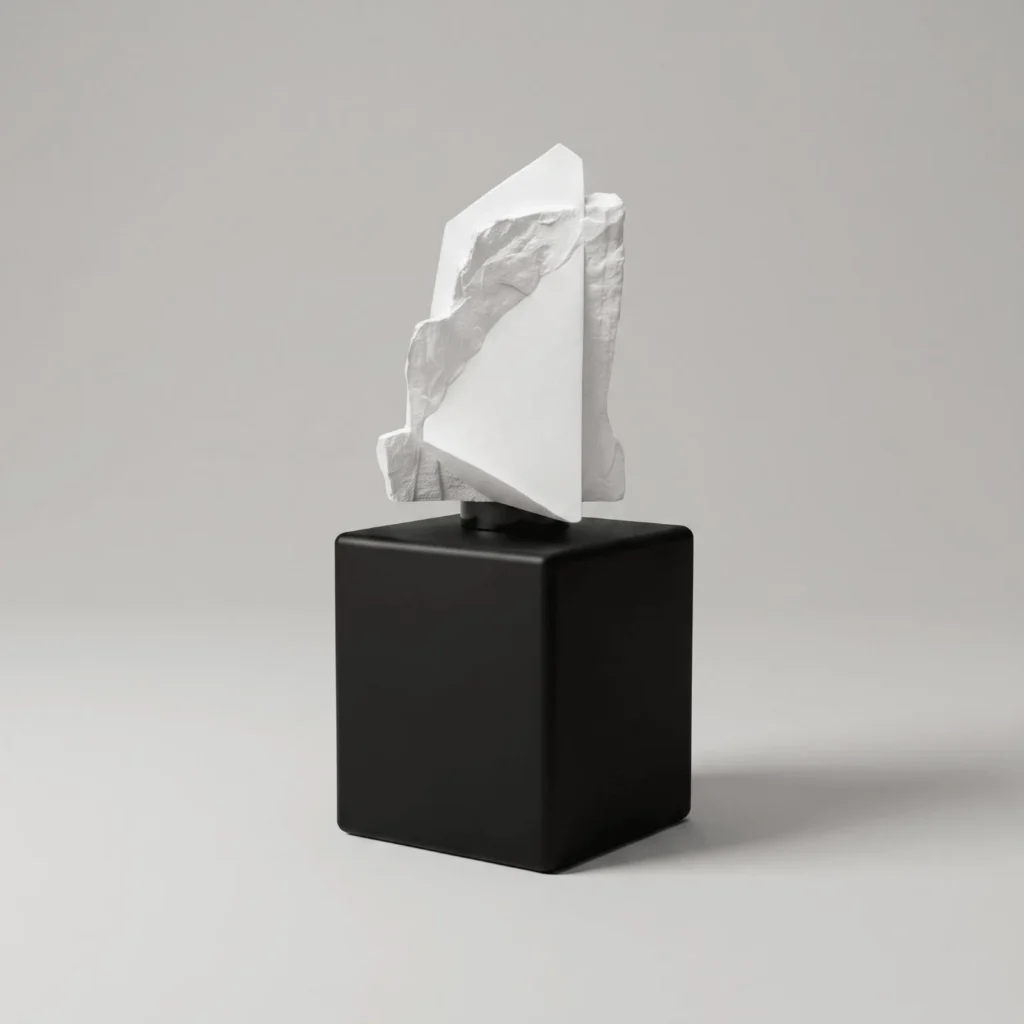
“We want a natural and wild feel, like a rough stone from an iceberg.”
The founder of a new perfume brand, Aura, came to the factory with a 3D design picture. Her eyes were bright with passion. In the picture, the stone cap had sharp angles. It was small, elegant, and looked great with the smooth glass bottle.
“If you can make this, it will be our most popular product this year!”
However, when the structural engineer looked at the design, the room went quiet.
2. The Real Problem: Shape vs. Inner Hole for Irregular stone cap design
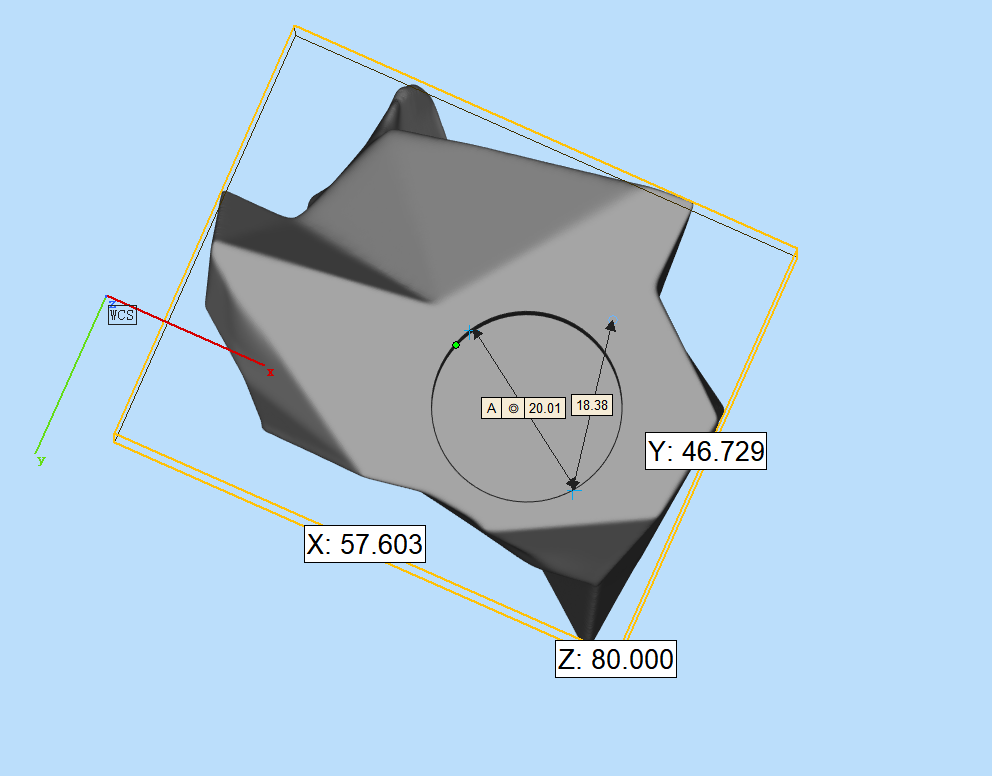
In packaging design, the hardest part of a custom irregular stone cap is balancing the outer shape and the inner hole.
A stone cap is not just for decoration. It must fit the perfume bottle. This means workers must drill an inner hole to hold the plastic insert or cap lock. When building the 3D model, the engineer saw three big problems:
- Very Thin Hole Wall: To keep the small shape, one side of the stone was very close to the inner hole. When drilling, thin walls break easily because stone is brittle. The factory would waste many materials.
- Sharp Edges Break Easily: To keep the sharp angles from the picture, the edges were very thin. In shipping tests, these sharp corners broke easily. They could even hurt a user’s hand.
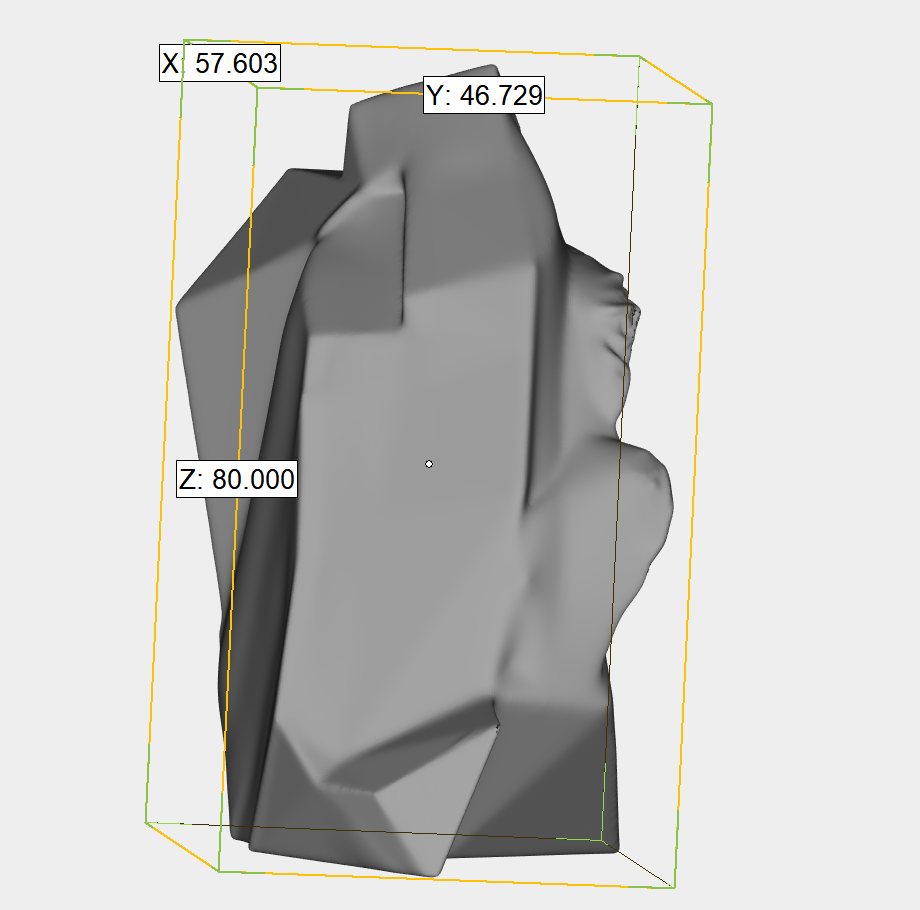
- The Cap Became Too Big: The engineer said, “To make the hole strong, we must make the stone larger.” But when the new picture came out, the founder was sad. The cap became big and heavy like a brick. It no longer matched the bottle.
The outer shape and the inner hole seemed impossible to fix together.
3. The Solution: Balancing 3D Models and Real Samples for special Irregular stone cap
“3D models only solve math problems. They cannot test the real material and feel.”
An experienced engineer gave the only good advice: Do not just look at the screen. Use both 3D models and real physical samples to test and adjust again and again.
During the next month, the team tried many times in the workshop:
- Sample 1 (CNC Quick Sample): It matched the design picture perfectly. But during testing, the inner hole cracked instantly. This showed the minimum wall thickness limit.
- Sample 2 (Thicker Sample): The inner wall was thicker, but the cap looked too heavy. They rejected it.
- Sample 3 (Small Adjustments): Engineers changed the side curves slightly. They gained 1.2 mm of safety thickness for the hole. They also added small round corners (R corners) to the sharp edges. It still looked sharp, but it passed the drop test.
Finally, the real sample fit onto the bottle with a nice “click.” Everyone felt happy and relieved.
It was a real custom irregular stone cap. It had natural beauty and strong industrial quality. It changed slightly from the first drawing, but it became a safe, real product for global buyers.
4. Conclusion about How to design custom irregular stone perfume caps
For new brands, making a unique product is not just about drawing a pretty picture. It is about finding a balance between beauty and physical rules.
To bridge the gap between dream and reality, you must keep testing and refining with 3D models and physical samples.
10 FAQs from Custom Special Irregular Stone Perfume Caps Manufacturer
A: To make the inner hole strong enough, the cap wall must have a minimum safe thickness. If the design is too small, drilling will break the cap. So, factories must increase the outer size slightly.
A: An irregular shape means uneven wall thickness. If the thin area meets the drill hole, heat and force will break the stone. Also, natural stone is brittle.
A: Designers add tiny round edges (R corners) to the 3D model. This keeps the sharp look but stops corners from breaking. Also, factories use custom EVA foam boxes for safe packaging.
A: 3D models help adjust structures and thickness quickly. Physical samples help test real fitting, strength, drop tests, and hand feel.
A: No. The inner hole usually holds a plastic inner cap (PP or ABS) or a magnetic part. This makes the fit tight and protects the spray pump from scratches.
A: It usually takes 35 to 50 days. The process needs design, 3D modeling, sample testing, and physical tests. It takes 2 to 4 weeks longer than standard caps.
A: Thin walls lead to high waste in factory drilling. The cap can crack easily from temperature changes or when dropped by users.
A: Engineers use 3D software to calculate the center of gravity. They adjust inner weights or hole positions so the cap stands stable on the bottle.
A: Do not build expensive final molds right away. Use 3D printing or cheap resin samples to test fitting and wall thickness first.
A: Fake stone (Artificial stone or like resin with stone powder) is easier. It is strong, flexible, and easy to shape. Natural stone has hidden cracks, making it harder to drill thin walls.
