

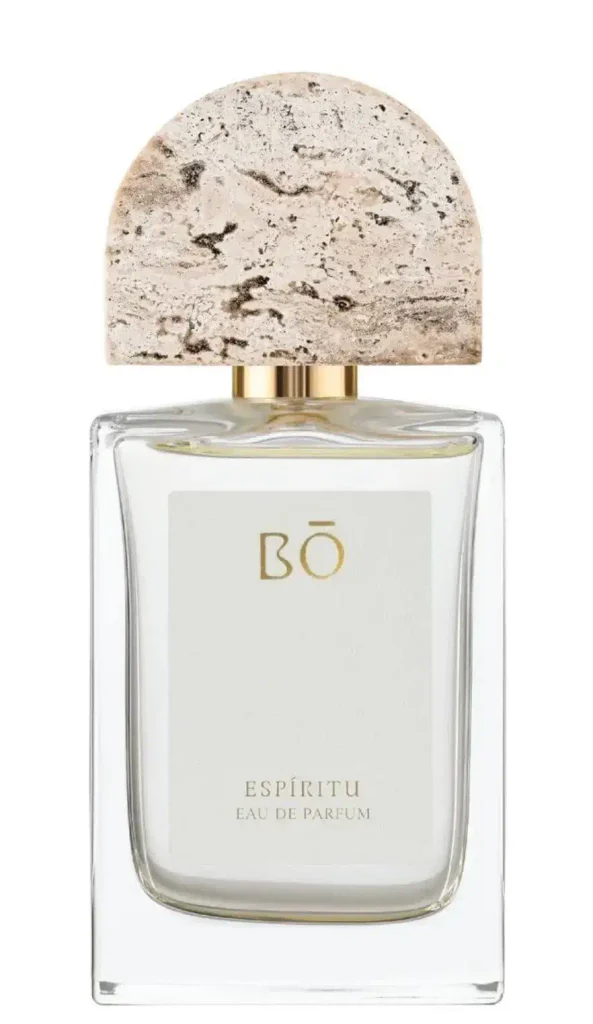
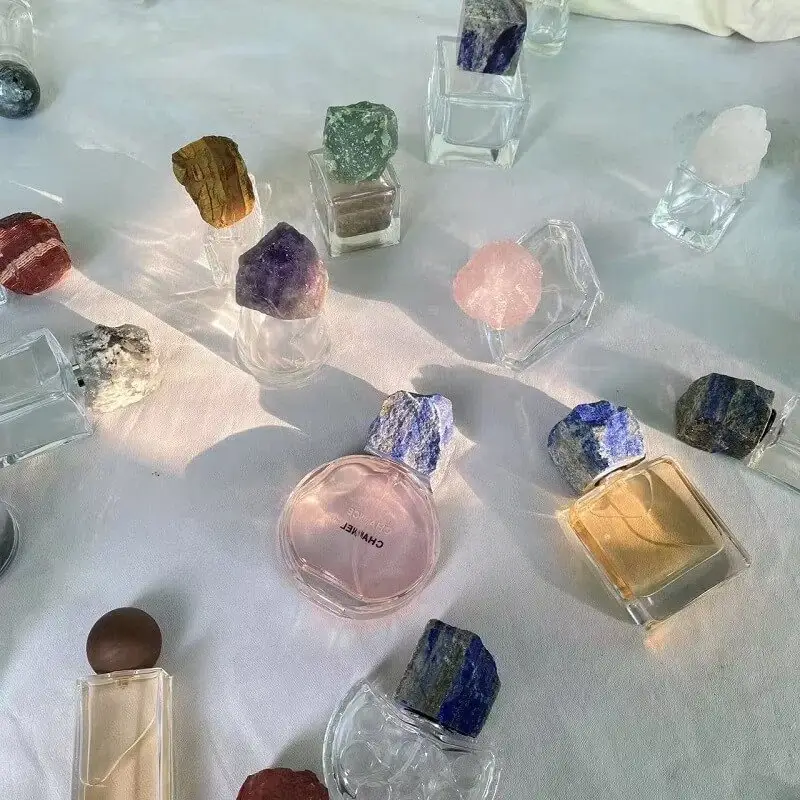
In high-end perfume packaging, stone caps are very popular. They are heavy, feel cool, and give a luxury, unique touch. In real product development, Natural Stone Cap vs. Composite Stone Cap are very different.
1. Types of Stone Caps
Natural Stone
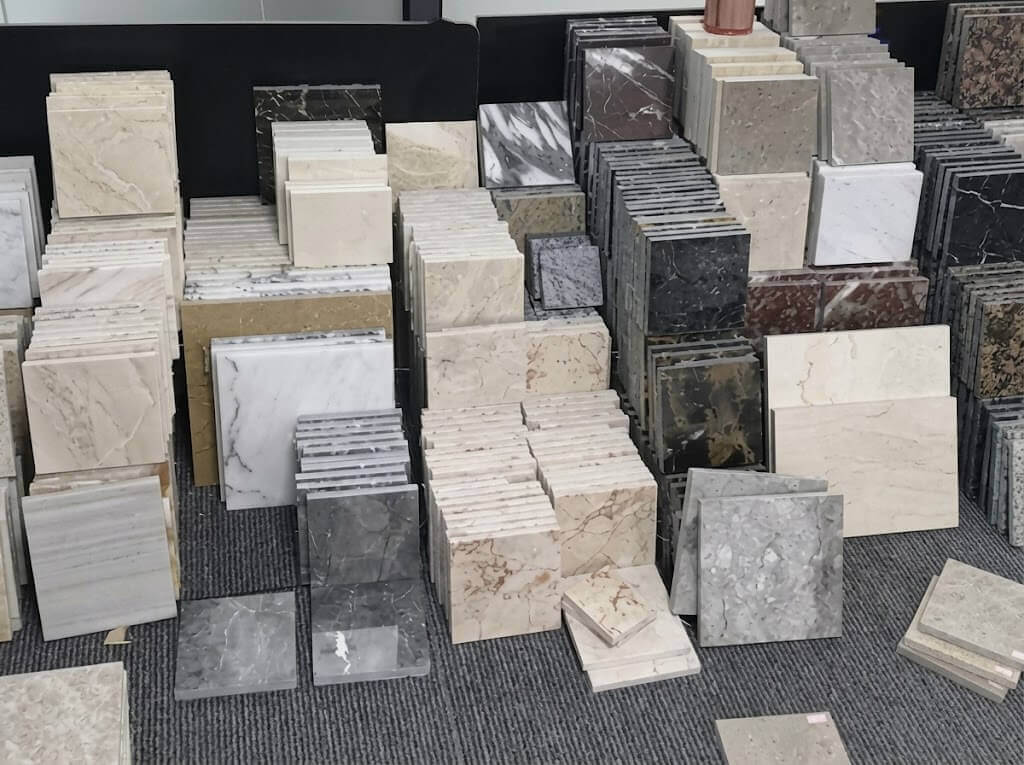
Natural stone comes directly from quarries. Workers cut, CNC carve, drill, and polish it. There are three main types:
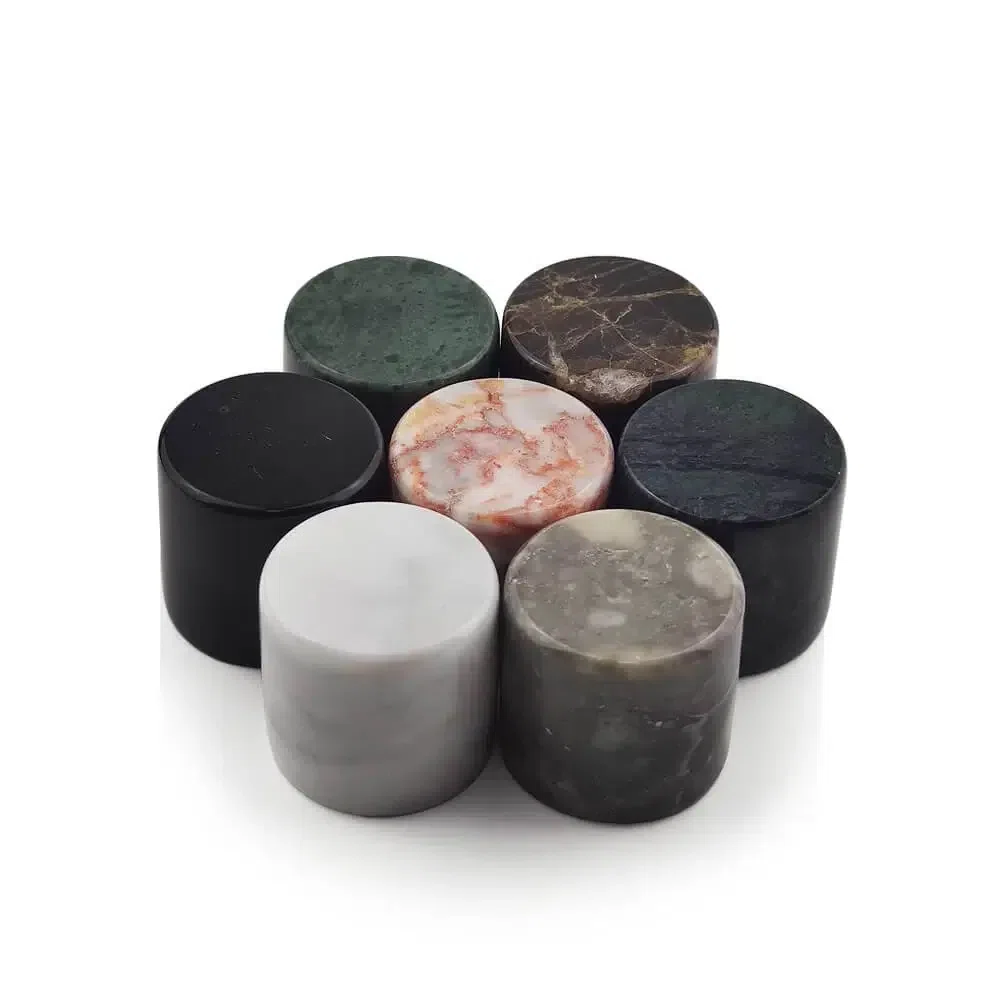
- Marble: Such as Volakas White, Carrara White, and Nero Marquina. It has smooth flows of lines and a soft shine. It is the most common choice for luxury perfume caps.
- Onyx & Gemstones: Such as Afghan Jade, Lapis Lazuli, and Turquoise. Some are semi-transparent with bright colors. Brands use them for limited editions.
- Granite & Basalt: They are hard and dense. They have fine grainy textures or matte surfaces, often used for men’s fragrances or industrial styles.
Composite Stone (Engineered Stone)
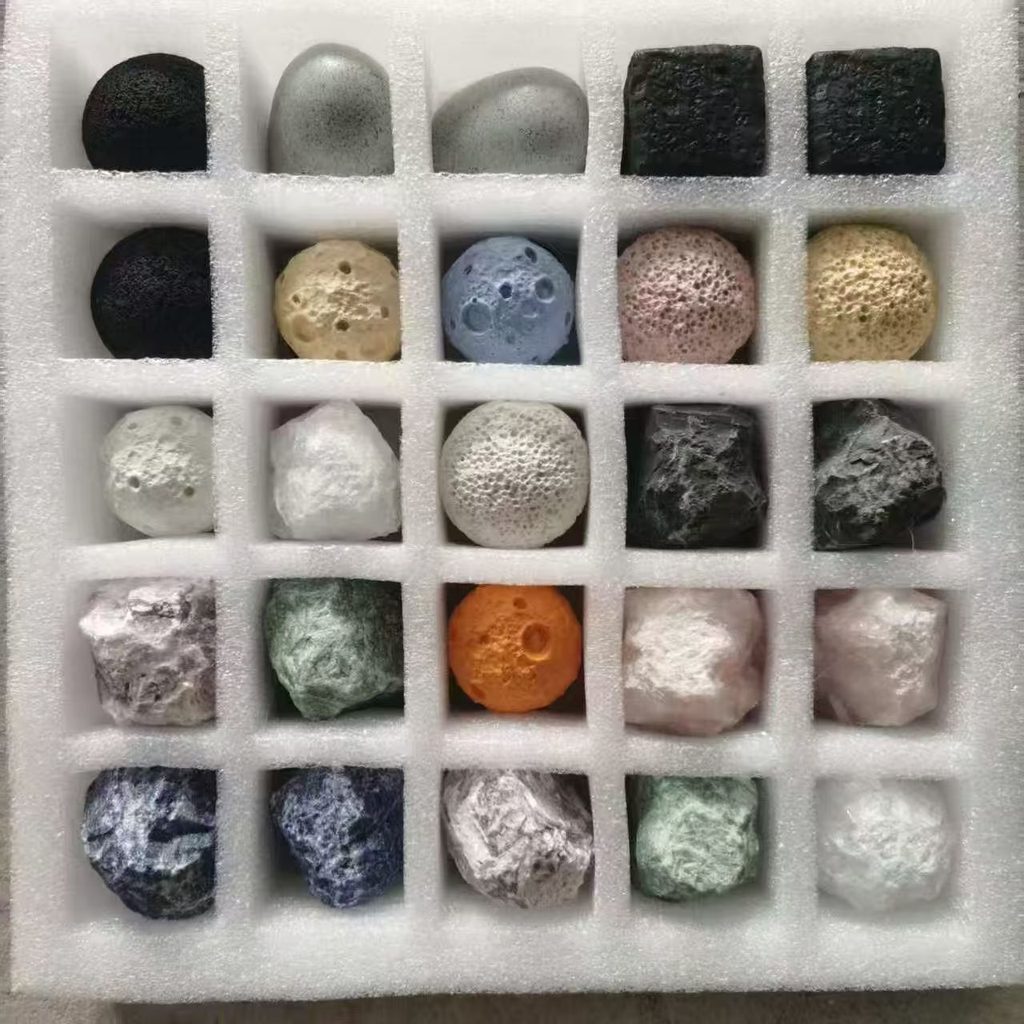
Composite stone is made by mixing stone powder, stone chips, and a binder (resin or cement). It is shaped using molds or presses.
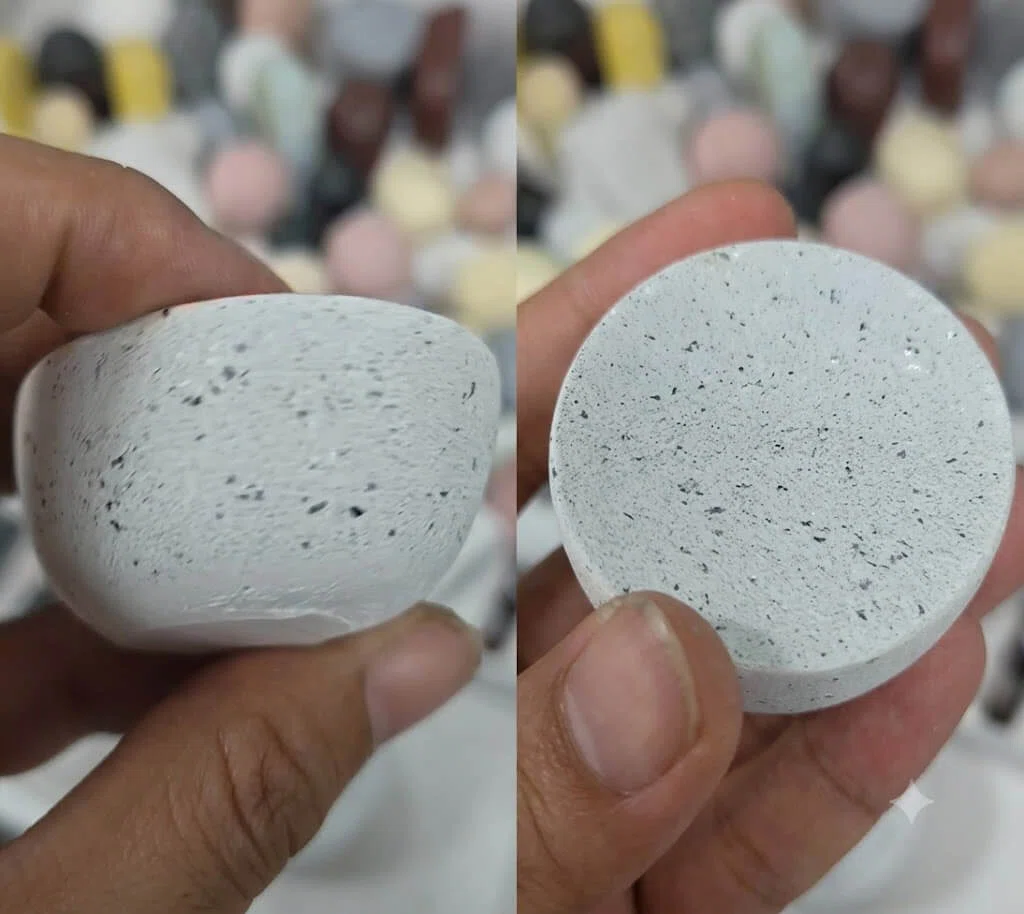
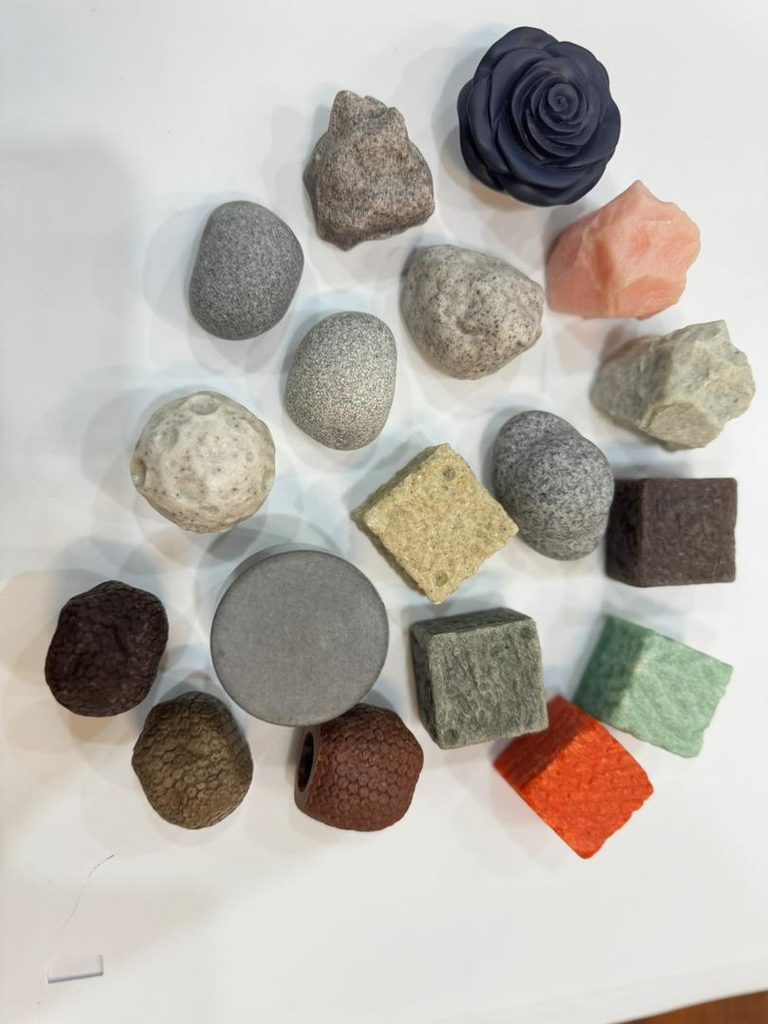
- Resin-Based Engineered Stone: Made of 80%–90% natural stone powder mixed with resin. It looks very similar to real marble.
- Terrazzo / Agglomerate Stone: Made of stone chips, shell pieces, and resin. It has a colorful, speckled look.
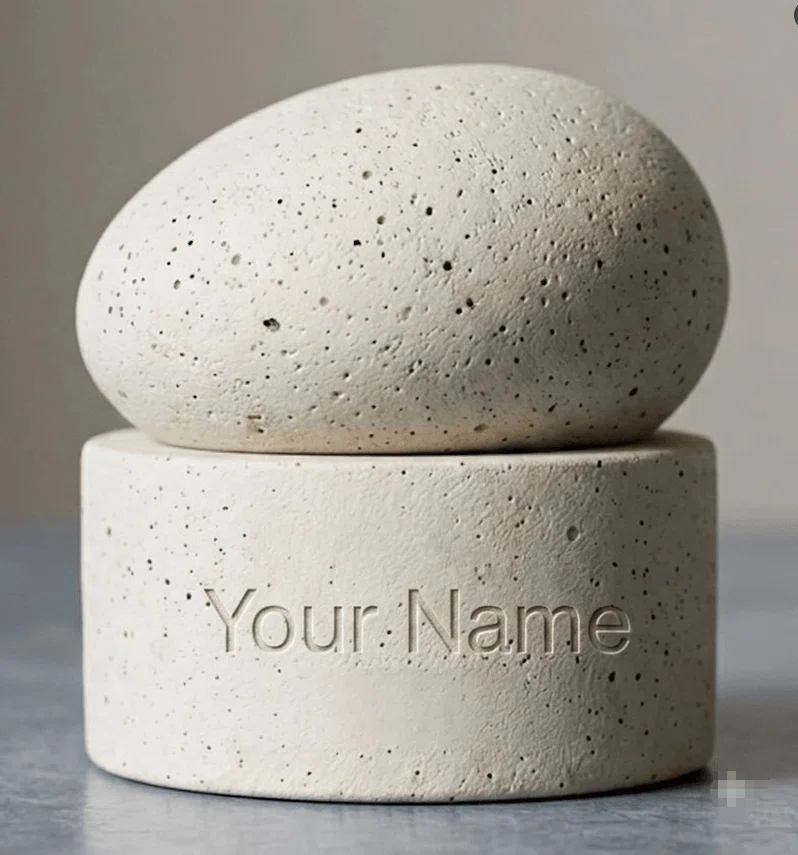
- Cement-Based Stone: Made of white cement and stone powder. It has a rough, natural concrete feel.
2. Most Popular Types and Reasons for Niche Stone Fragrance Lids
Most Popular for Niche Luxury Perfumes: Natural Marble & Onyx
- Why: Every single cap has a unique pattern (“one bottle, one design”). It feels heavy and cold to the touch. Small natural flaws make it look real and premium.
Most Popular for Commercial Brands: Resin-Based Composite Stone
- Why: It offers a great balance between luxury look and mass production. Colors are easy to control. Molds make it easy to produce with very low breakage rates.
3. Natural Stone Cap vs. Composite Stone Cap
| Factor | Natural Stone Cap | Composite Stone Cap |
|---|---|---|
| Pros | Low mold cost. Great for small orders (1,000–3,000 pcs). | Stronger material. Low breakage (<3%). Mold-cast process saves time. |
| Cons | Very brittle. Hard to drill without cracking (15%–30% waste). Fast tool wear. | High upfront mold cost. Risk of tiny air bubbles during curing. |
4. Natural Stone Closures vs. Composite Stone Closures in Design
Natural Stone
- Design Pros: Real mineral texture, deep natural layers, and rich surface options (polished, honed, or acid-washed).
- Design Cons: Must be thick (wall thickness 3.5mm to avoid cracking. Cannot hold complex snap structures, so it needs a glued inner plastic or metal liner.
Composite Stone
- Design Pros: High design freedom. Can make bright custom colors. Inner liners can be molded directly inside, saving glue assembly.
- Design Cons: Can feel like plastic if stone powder content is low. Lacks the ice-cold touch of real stone.
5. Engineered Stone Cap Manufacturing Pain Points and Solutions
Pre-Sales Stage
- Natural Stone Pain Point 1: Unstable Color and Pattern
- Problem: The mass production caps look different from the sample because natural stone layers change.
- Solution: Use Boundary Samples. Sign off on light, medium, and dark limit samples before mass production. Select stone blocks from the same quarry section.
- Natural Stone Pain Point 2: High MOQ vs. Rare Materials
- Problem: Rare gemstones (like Lapis Lazuli) are hard to buy in small amounts and prices jump often.
- Solution: Keep raw block inventory with key suppliers. Offer tiered MOQ based on raw block usage.
- Composite Stone Pain Point: Cheap Product Image
- Problem: Buyers think resin-stone is cheap plastic and ask for big price discounts.
- Solution: Market it as “Engineered Luxe Stone” or “Eco Terrazzo”. Increase stone powder to 85%–90% and add internal metal weights for a heavy, cool feel.
Production Stage
- Natural Stone Pain Point 1: Inner Liner Glue Failure
- Problem: Natural stone has tiny pores. Glue can fail during heat or perfume tests, causing the inner liner to drop out.
- Solution: Use an undercut groove inside the cap for mechanical locking. Treat inner liner surfaces with plasma before using alcohol-resistant epoxy glue.
- Natural Stone Pain Point 2: Loose Fitting Tolerances
- Problem: CNC carving has a wide tolerance 0.2mm, making the cap fit too loose or too tight.
- Solution: Use a Floating Inner Sleeve. The stone acts only as a shell. An inner plastic liner controls the exact click-fit tension.
- Composite Stone Pain Point 1: Pin-Holes on Surface
- Problem: Trapped air leaves tiny pin-holes on the polished surface.
- Solution: Use vacuum high-pressure casting. Coat the surface with a clear nano-sealer to fill micro-pores before final polishing.
- Composite Stone Pain Point 2: Color Shift Between Batches
- Problem: Different resin batches show slight color changes.
- Solution: Test raw powder with a Spectrophotometer Delta E < 0.5. Mix all raw materials for one full order in a single master batch.
After-Sales Stage
- Natural Stone Pain Point 1: Perfume Stains
- Problem: Perfume spills soak into the stone micro-pores, leaving dark stains.
- Solution: Apply a nano hydrophobic/oleophobic sealer. Pass a 24–48 hour alcohol soak test.
- Natural Stone Pain Point 2: Easy to Break When Dropped
- Problem: The cap cracks into pieces if dropped on a tile floor.
- Solution: Keep wall thickness at 3.5mm. Add a 0.8–1.2mm EVA/TPE cushion pad inside between the stone and the liner. Use rounded inner corners (R-angles).
- Composite Stone Pain Point: Surface Damage from Alcohol
- Problem: High-alcohol perfume makes low-grade resin yellow, soft, or sticky over time.
- Solution: Use Acrylic Modifed Resin or high-grade epoxy. Spray a 2H+ hard UV varnish on the surface.
Frequently Asked Questions (FAQ) about Custom Stone Perfume Packaging
Natural stone caps are cut from real rocks, so every cap has a unique pattern and a cold feel. Composite stone caps are made by mixing stone powder with resin, making them cheaper, stronger, and easier to mass-produce.
Natural stone is hard to cut and drill. Up to 30% of caps break during CNC carving. Workers must also polish each cap by hand.
Manufacturers apply a clear nano-sealer to the stone. This seals the tiny holes so alcohol and oil cannot soak in.
Yes. By adding 85% stone powder and placing a small metal weight inside the cap, composite stone can feel very heavy and cold.
Factories carve a tiny groove inside the stone so the glue locks in place. They also use special alcohol-resistant glue and plasma surface treatments.
Natural marble is often better for small orders. It does not require expensive custom molds, so starting costs stay low.
