
Choosing the right perfume cap is crucial. It does more than just protect the fragrance; it defines the brand’s positioning and perceived value. Below is a deep dive into the 11 most popular materials used in the market today.
If you want to master professional industry terminology, feel free to read our Complete Guide to Perfume Packaging Terms Glossary.
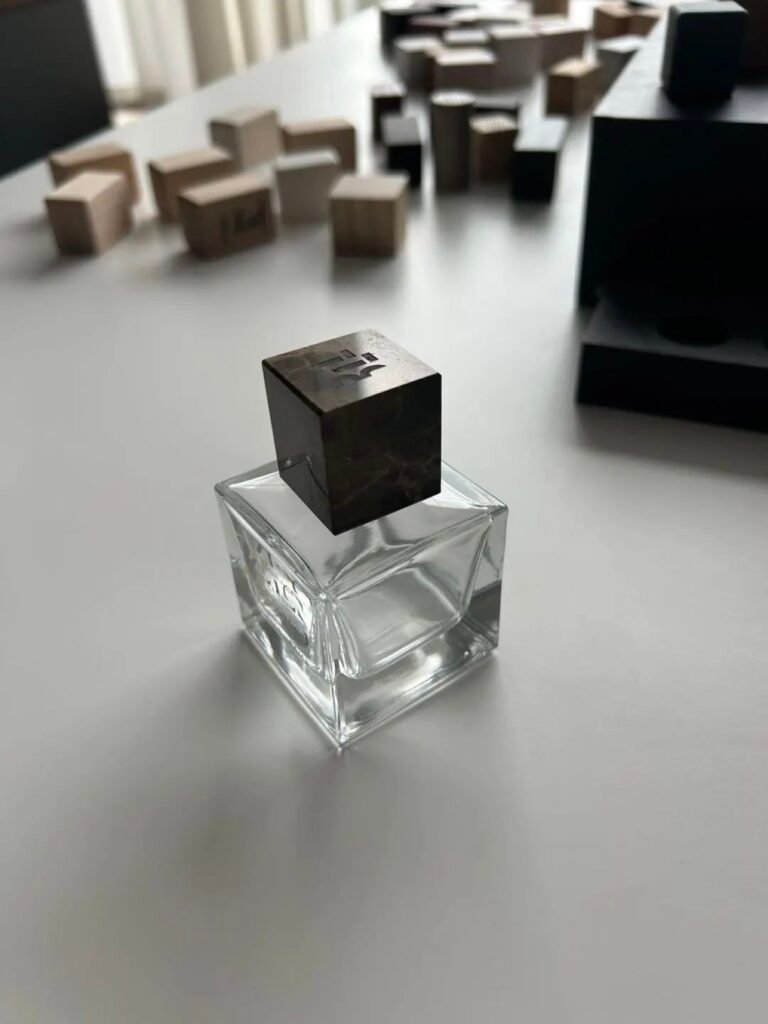
1. Marble Perfume Cap
- Pros: Every piece features a unique, God-given pattern. It feels cool to the touch and instantly elevates a brand’s luxury status.
- Cons: It is heavy and fragile if dropped. The production cost is very high.
- Difficulties & Solutions: Natural stone has inconsistent hardness and cracks easily during machining. We use high-precision CNC cutting with low force and add a plastic inner liner to protect the bottle neck.
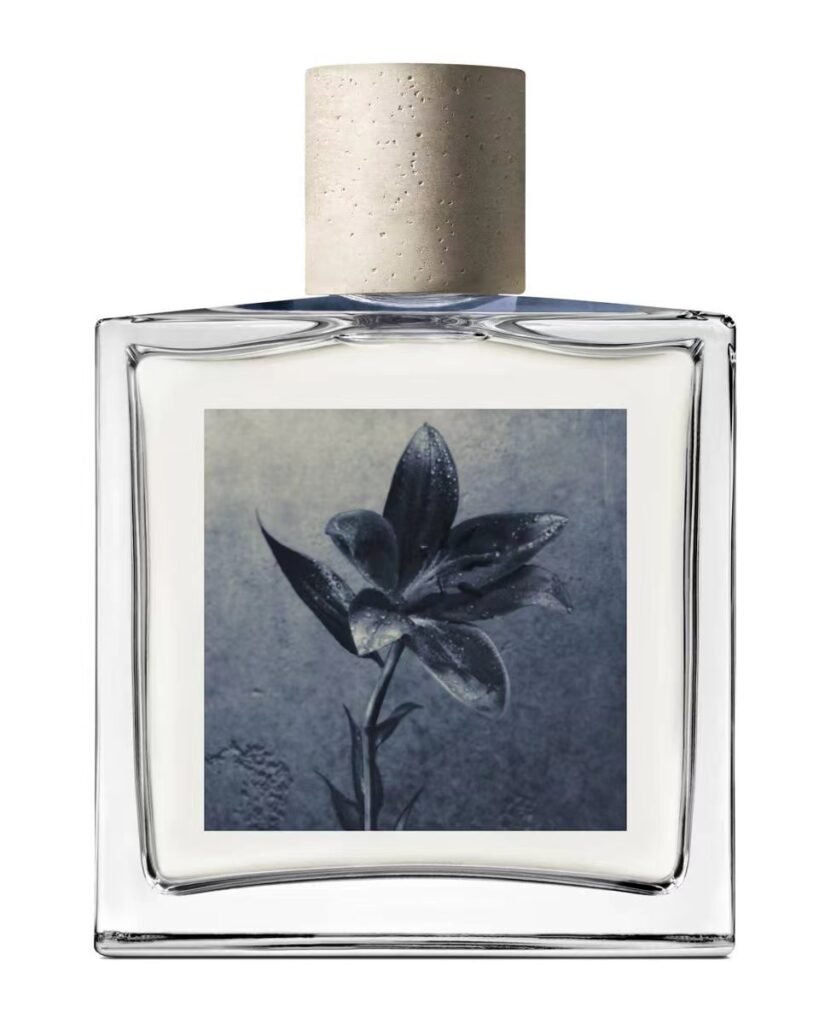
2. Concrete Perfume Cap
- Pros: Full of industrial style. It looks rustic and natural, making it a favorite for minimalist brands.
- Cons: The surface texture is loose and prone to shedding dust. Achieving consistent color in mass production is difficult.
- Difficulties & Solutions: Air bubbles often appear. We add high-polymer modifiers to increase density and use vibration technology to force air bubbles out during molding.
3. Jade / Natural Stone Perfume Cap
- Pros: It has a warm, smooth texture and a strong Oriental charm. It is an extremely high-end choice.
- Cons: The processing is very time-consuming. Both raw materials and labor costs are expensive.
- Difficulties & Solutions: Polishing is the biggest challenge. We combine multi-stage manual polishing with automated equipment to ensure a high-gloss finish.
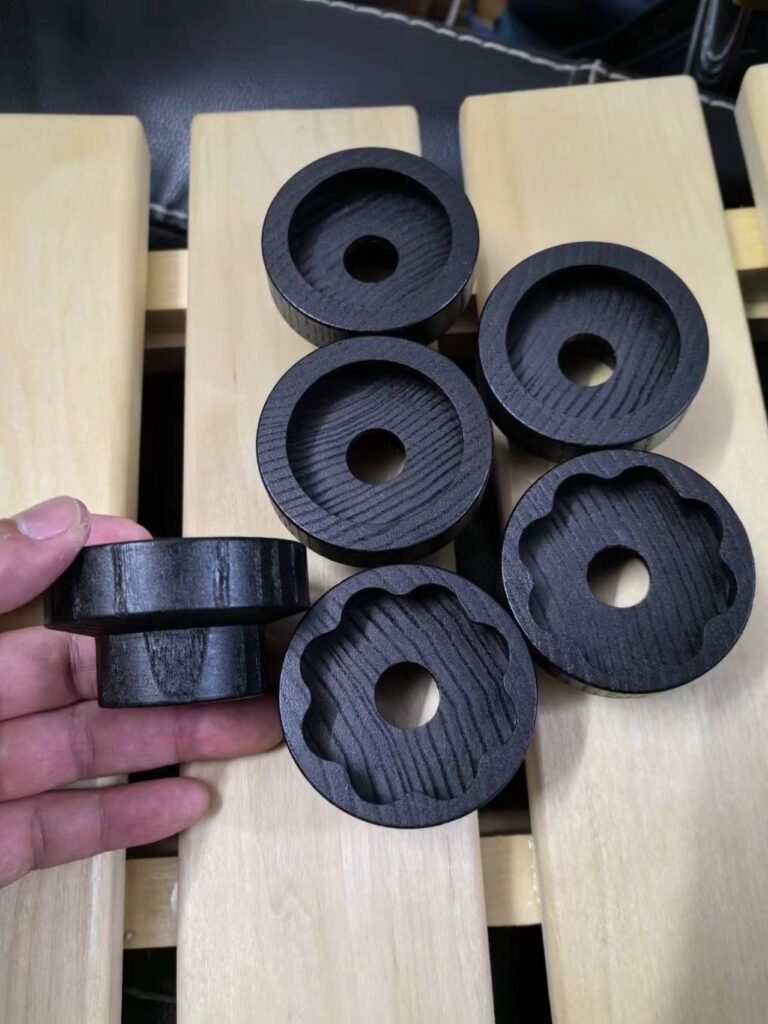
4. Wood Perfume Cap
- Pros: Eco-friendly and natural. It feels warm and is perfect for nature-themed fragrances.
- Cons: Sensitive to humidity. Without proper treatment, it can be corroded by alcohol or become deformed.
- Difficulties & Solutions: Moisture levels are hard to control. We perform strict kiln-drying and spray a specialized alcohol-resistant clear coat.
5. Resin Perfume Cap
- Pros: Highly plastic. It can be molded into any unique shape with a vast range of colors.
- Cons: Production is slow. The lead time for large orders is usually longer than for injection molding.
- Difficulties & Solutions: Manual casting often leads to bubbles. We optimize the curing agent ratio and use vacuum degassing equipment.
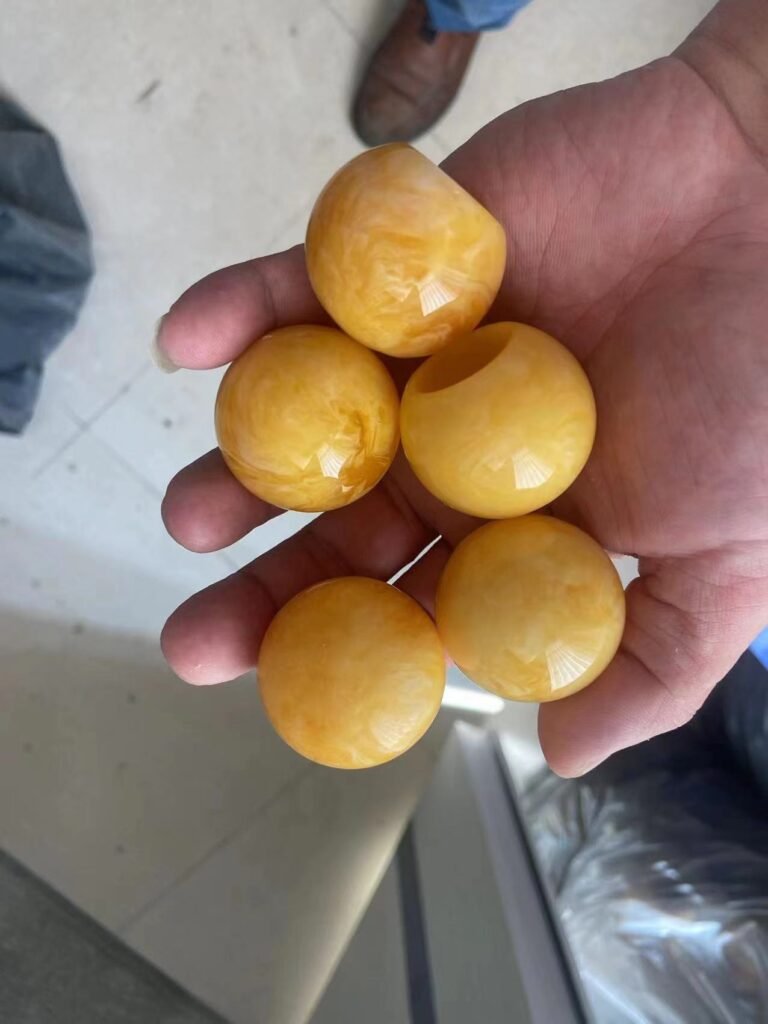
6. Surlyn Perfume Cap
- Pros: It is as transparent as crystal but extremely tough. It is shatterproof and highly resistant to perfume corrosion.
- Cons: Mold costs are expensive, and it requires high-level injection molding expertise.
- Difficulties & Solutions: “White spots” or bubbles often appear. We use high-precision molds and constantly calibrate injection pressure parameters.
7. Zinc Alloy Perfume Cap
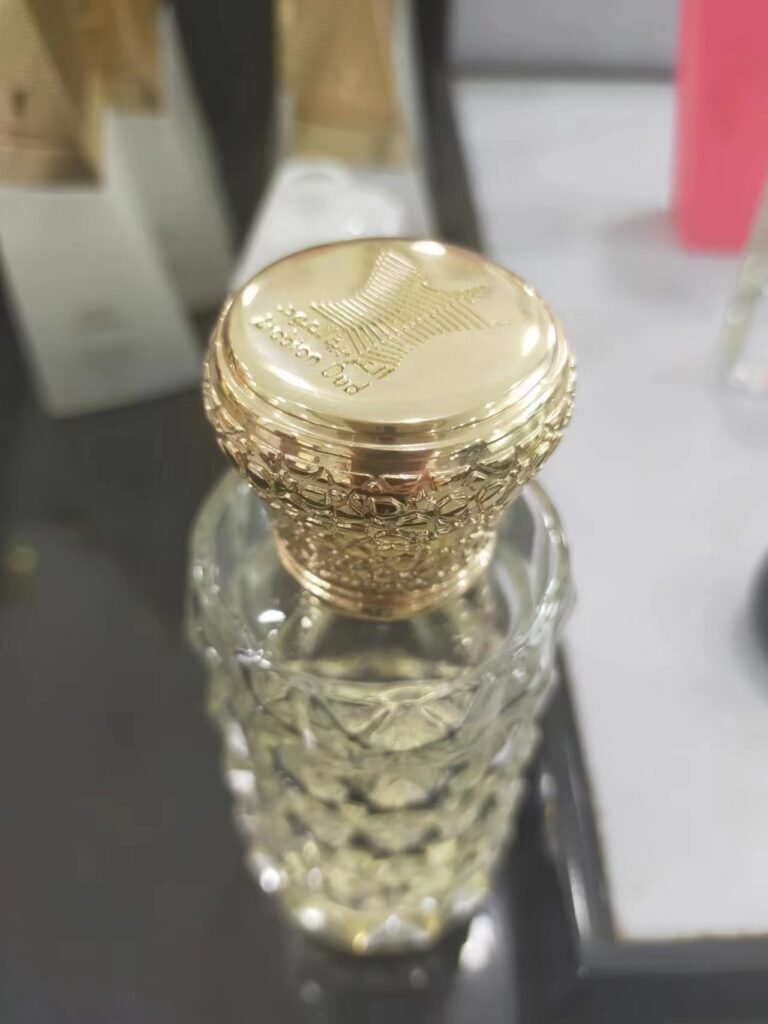
- Pros: Excellent metallic texture. It is heavy and substantial, making it the top choice for many designer brands.
- Cons: Requires electroplating, which can be environmentally taxing if not managed properly.
- Difficulties & Solutions: The plating layer can blister. We strictly control the die-casting temperature and ensure thorough cleaning before plating.
8. Aluminum Perfume Cap
- Pros: Very lightweight and shiny. It is cost-effective and suitable for the mass market.
- Cons: Low hardness. It is easily scratched by fingernails or hard objects.
- Difficulties & Solutions: Color variance occurs easily during dyeing. We use double-oxidation technology to ensure uniform color and a harder surface.
9. Iron Perfume Cap
- Pros: Very hard, and the raw material is very cheap. Ideal for brands with a limited budget.
- Cons: Rust is the biggest enemy, and design shapes are usually quite simple.
- Difficulties & Solutions: Rust prevention is key. We apply multi-layer electroplating or high-quality anti-rust spray paint.
10. Acrylic Perfume Cap
- Pros: Clear as glass but much lighter and shatterproof.
- Cons: Alcohol is its nemesis. Exposure can cause tiny “stress cracks.”
- Difficulties & Solutions: Prone to cracking. We select specialized alcohol-resistant acrylic grades and optimize the mold flow design.
11. Glass Perfume Cap
- Pros: 100% eco-friendly and crystal clear. It is the most chemically stable material.
- Cons: Fragile. When used as a cap, the weight distribution can make the bottle feel top-heavy.
- Difficulties & Solutions: Fire polishing is expensive. We increase mold precision to reduce the need for secondary processing.
Perfume Cap Popular Material Comparison Table
| Material | Core Pros | Core Pain Points | MOQ (Approx.) |
| Marble | Natural, Ultra-luxury | Expensive, Heavy, Fragile | 1,000 – 3,000 pcs |
| Concrete | Industrial, Unique | Dusting, Color variance | 1,000 pcs + |
| Jade | Warm, Elegant | Extremely high cost | 1,000 pcs + |
| Wood | Eco-friendly, Natural | Cracking, Humidity sensitive | 1,000 pcs + |
| Resin | Versatile shapes | Slow lead time, Bubbles | 1,000 pcs + |
| Surlyn | Clear, Chemical resistant | High mold cost | 10,000 pcs+ |
| Zinc Alloy | Heavy feel, Exquisite | High mold & plating cost | 5,000 pcs + |
| Aluminum | Light, Economic | Easy to scratch | 30,000 pcs + |
| Iron | Strong, Very cheap | Prone to rust | 20,000 pcs + |
| Acrylic | Clear, Lightweight | Alcohol sensitivity | 10,000 pcs + |
| Glass | Stable, Transparent | Fragile | 5,000 pcs + |
Expanded Technical FAQ about Perfume Cap
Because of the “Weight.” In consumer psychology, weight equals quality and luxury. Zinc alloy also allows for extremely fine detailing in logos that other metals cannot achieve.
Surlyn can come into direct contact with the fragrance without cracking. Acrylic is beautiful but will develop internal “crazing” (tiny cracks) if it touches the alcohol in the perfume.
Always include a plastic inner liner. Wood should never touch the bottle neck directly. Otherwise, the fragrance will seep into the grain, causing the wood to rot or mold.
Yes, through a process called Anodizing. However, achieving a 100% color match across different batches is a challenge. We always recommend a signed “golden sample” to control color limits.
These materials are usually produced using high-speed automated stamping or rolling lines. The setup time is long, so small quantities are not cost-effective for the factory.
Generally, yes. It uses natural minerals and requires less heat to produce than glass or metal. However, it must be sealed properly to prevent it from absorbing the perfume.
Wood, Glass, and Concrete are considered more eco-friendly. Wood is biodegradable, while Glass is 100% recyclable and chemically stable, minimizing environmental impact.
Heavier materials like Zinc Alloy and Marble create a “premium” feel. Consumers often associate weight with luxury and durability, which is why high-end brands rarely use lightweight plastic caps.
For further questions on material selection, don’t forget to check our Complete Guide to Perfume Packaging Terms Glossary to gain deeper industry insights.
