

In perfume packaging design and mold manufacturing, choosing the right mold depends on five main factors: product material, forming process, production volume, size tolerance, and surface detail requirements.
Besides common options like soft molds (silicone or low-melting alloy), steel molds, and plastic molds (steel or aluminum molds for plastic injection), several specialized molds are widely used in the industry:
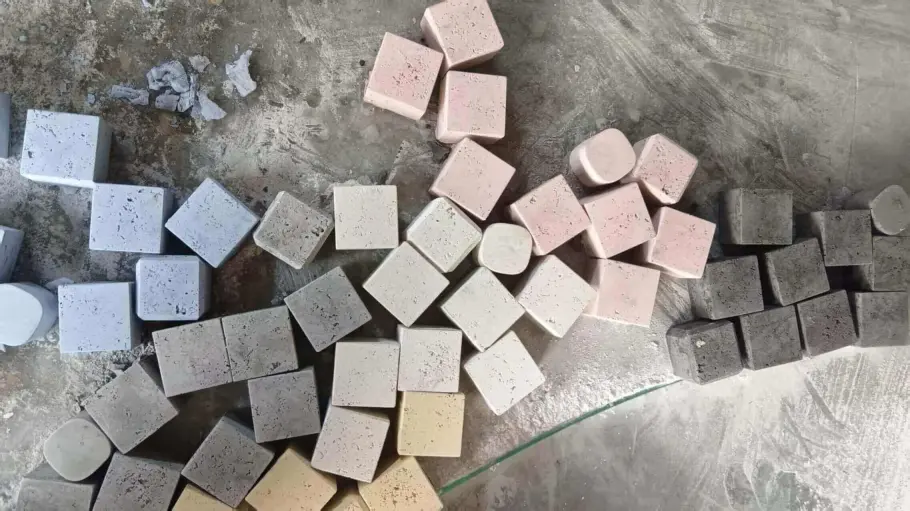
1. Pefume Caps Materials Main Mold Categories and Uses
| Mold Type | Main Materials & Features | Suitable Product Materials | Pros & Cons | Suitable Production Scale |
| Steel Molds | Made of hardened steel (such as P20, NAK80, S136). High hardness and strong pressure resistance. | Plastics (Surlyn, PP, ABS), Zinc Alloy (Zamac die-casting). | Pros: Very high precision (±0.01mm), long lifespan, smooth surface. Cons: High cost and long development time. | Large scale (>50,000–100,000 pcs) |
| Aluminum Molds | Made of high-strength aircraft aluminum (such as 7075). | Plastic injection, blow molding, Reaction Injection Molding (RIM). | Pros: Fast cooling, short processing time, 30%–50% cheaper than steel. Cons: Shorter lifespan and lower pressure limit. | Small to medium scale / Fast prototyping |
| Soft Molds (Silicone) | Liquid silicone (RTV), Polyurethane (PU), or low-melting alloy. | Resin, Epoxy resin, PU, Plaster, Concrete samples. | Pros: No high pressure needed, easy to pop out complex shapes, captures tiny surface textures. Cons: Short lifespan (tens to hundreds of uses), average size precision. | Sample testing / Niche limited editions |
| Die-Casting Molds | Hot-work mold steel (such as H13). Built to resist hot liquid metal. | Zinc Alloy (Zamac), Aluminum Alloy. | Pros: Ideal for heavy metal caps and complex shapes, can be electroplated or PVD coated. Cons: High heat shock requirement. | Medium to large scale |
| Stamping Molds | Cold-work mold steel (such as Cr12MoV). | Aluminum covers/shells, Copper sheets. | Pros: Very fast production, perfect for thin metal covers and inner rings. Cons: Cannot create thick or heavy solid caps. | Large scale |
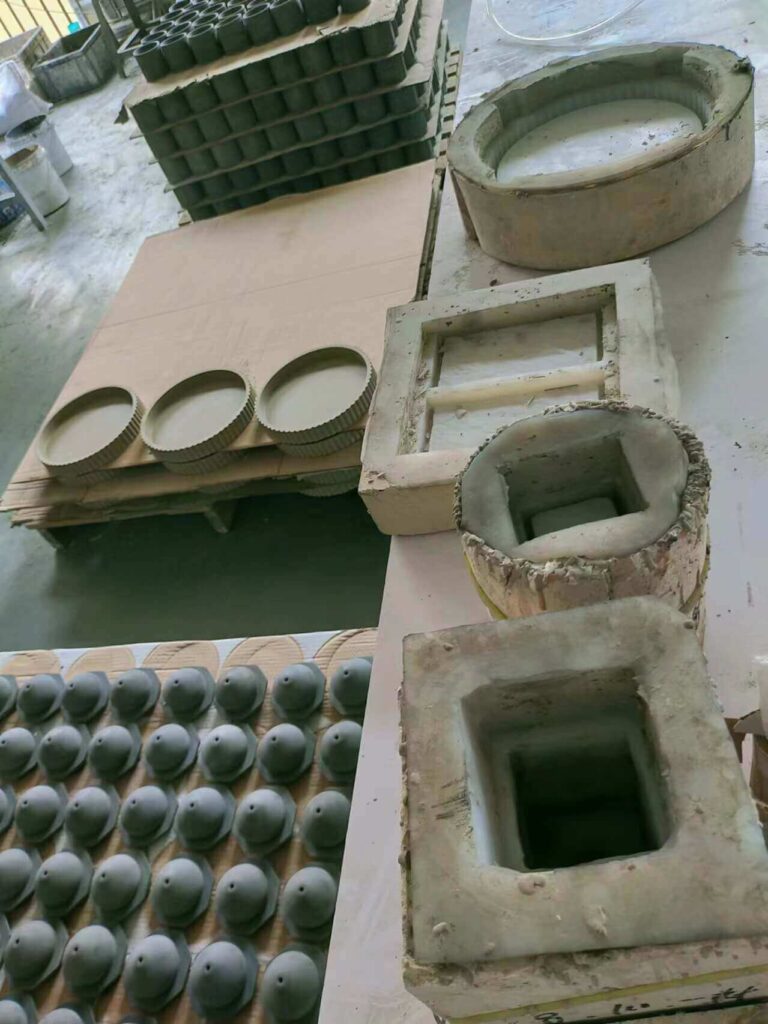
| Pressing & Casting Molds | Made of steel, plaster, PU, or composite metal. | Concrete, Composite Stone, Artificial Jade. | Pros: Designed for concrete paste or resin-stone mixtures. Cons: Requires careful design for slope angle and air venting. | Small to medium scale / Custom products |
| Blow & Vacuum Molds | Made of aluminum or cast iron. | Acrylic, PETG, and other clear plastic shells. | Pros: Great for thin or hollow protective shells. Cons: Limited to shell-type shapes. | Medium to large scale |
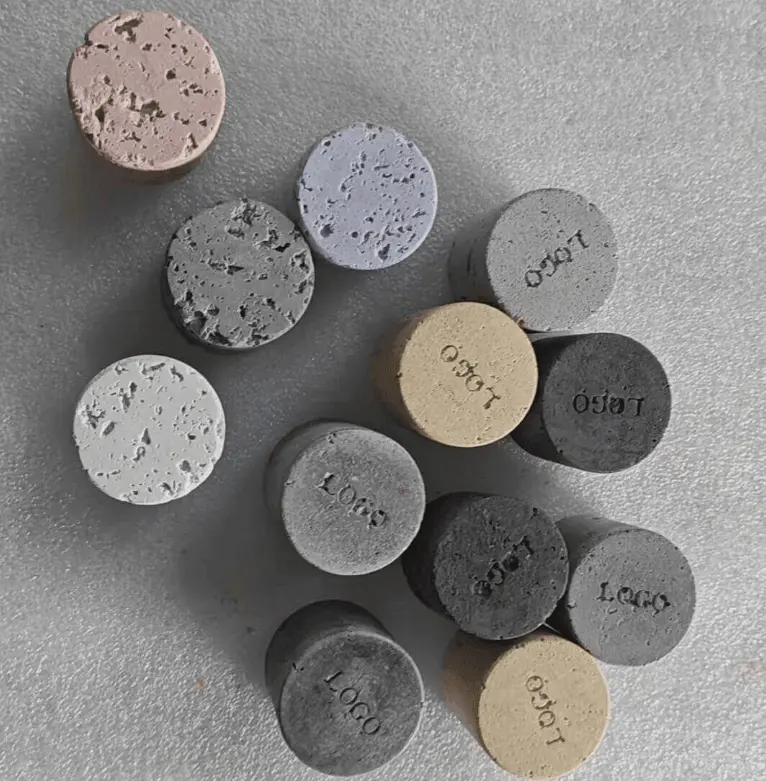
2. Different Bottle Cap Materials Mold Selection for Luxury Niche Perfume Packaging
1. Concrete Perfume Cap
- Recommended Mold Type:PU or Silicone Soft Mold (for small batches) OR Aluminum/Steel Multi-Piece Mold (for large batches).
- Selection Reasons:
- Air Bubbles & Micro Texture: Concrete needs smooth air venting during drying to show its fine surface texture. Soft molds flex easily, making it simple to remove caps with undercut designs without damaging sharp edges.
- Precision & Mass Production: For regular geometric caps with tight inner fitters (like a PP inner clip), use precision aluminum or stainless steel split molds. These molds need anti-alkali coatings and vibration-assisted air venting to prevent holes on the cap surface.
2. Composite Stone Perfume Cap Manufacturing
- Recommended Mold Type:Aluminum Mold OR P20 Steel Injection/Pressing Mold.
- Selection Reasons:
- Composite stone (stone powder mixed with resin) is usually shaped using vacuum compression molding or low-pressure injection.
- The raw mixture wears down molds quickly. Soft molds wear out too fast and lose size precision. Using 7075 aluminum or pre-hardened steel handles both pressing pressure and heat from the resin while keeping a tight fit with inner caps.
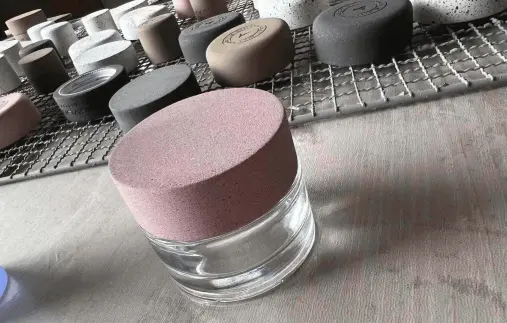
3. Steel Injection Mold for Perfume Glass Bottles Resin Shells
- Recommended Mold Type:Precision S136 Stainless Steel Injection Mold.
- Selection Reasons:
- Tolerance Control: Glass bottles have wide size variations (around ±0.5mm to ±1.0mm). To snap smoothly onto a glass bottle, the outer shell needs a strict tolerance (less than ±0.1mm) and flexible inner clips or soft rubber pads.
- Surface Quality: Resin shells (like clear ABS, Surlyn, or heavy PU) require a smooth finish with no sharp edges. S136 hardened steel molds (HRC 48–52) ensure a mirror-like shine and long-term size accuracy.
4. Glass Perfume Bottle Cladding Concrete Sleeve
- Recommended Mold Type:Silicone/PU Soft Mold (Direct Wrapping) OR Multi-Piece Aluminum Positioning Mold.
- Selection Reasons:
- Glass Protection: The glass bottle acts as an inner core inside the mold while concrete is poured around it. Hard metal molds can easily crush or crack the glass under pressure or heat expansion.
- Process Methods:
- Soft Mold Method: Place the glass bottle inside a flexible silicone mold and pour the concrete. The soft material absorbs stress and protects the glass.
- Hard Mold + Soft Pad Method: For mass production using aluminum molds, put silicone positioning rings or elastic pins where the mold touches the glass. This holds the bottle centered without cracking it.
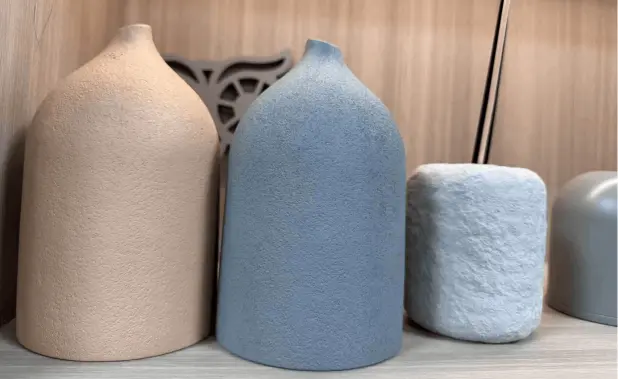
3. Summary & Practical Advice for Niche Fragrance Packaging
- Prototypes & Niche Brands: Start with silicone soft molds or aluminum test molds. They allow fast testing for concrete, resin, and composite stone caps at low cost.
- Mass Factory Production: Upgrade to precision steel molds (injection or die-casting). For non-traditional materials like concrete or stone, using a “metal mold + soft rubber positioning pad” setup is the best way to keep high output quality and reduce waste.
Frequently Asked Questions (FAQ) about Niche Fragrance Packaging Caps or Outer Shell Molds
Silicone is flexible and soft. It lets you pop out concrete caps with complex shapes or undercut details easily without breaking fragile edges. It also captures natural surface textures very well.
A silicone soft mold usually lasts for only 50 to 200 uses. The raw concrete or resin wears down the inner surface of the mold over time, causing it to lose fine details.
They use flexible silicone soft molds or insert soft rubber pads/rings inside aluminum molds. These soft cushions absorb pressure and keep the glass bottle centered without cracking it.
Air bubbles form when trapped air cannot escape the concrete paste during pouring. Molds designed with top air vents combined with high-frequency vibration tables help air escape quickly, creating a smooth surface.
For 1,000 pieces, an aluminum mold or a high-grade PU/silicone soft mold system is the best choice. It saves high tooling costs while meeting small-batch quality needs.
No. Plastic injection molds use softer steel grades (like P20 or S136) and lower working temperatures. Zinc alloy die-casting uses special hot-work steel (like H13) to survive molten metal at over 400°C.
