

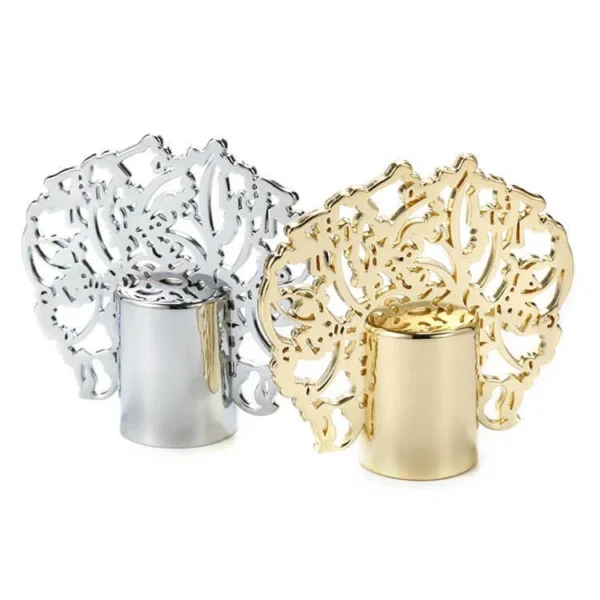
How Your Cap Choice Defines Market Position & Profitability
In luxury fragrance packaging, the cap represents the most significant tactile interaction point, with industry data revealing that 68% of consumers will repurchase based on packaging satisfaction (McKinsey Beauty Report 2024). The global perfume cap manufacturing landscape has evolved into specialized ecosystems, each offering distinct advantages for different brand strategies. As packaging architects with over 200 successful collaborations across these manufacturers, we provide this comprehensive analysis to guide your strategic partnership decisions.
Evaluation Framework: The Cap Manufacturing Assessment Matrix
Our proprietary CAP-VALUE™ Framework evaluates manufacturers across six critical dimensions, each weighted according to brand stage requirements:
| Dimension | Weight (Startup) | Weight (Growth) | Weight (Luxury) | Key Metrics |
|---|---|---|---|---|
| Technical Precision | 25% | 30% | 35% | Tolerance (±mm), CpK, Pull Force (N) |
| Material Innovation | 20% | 25% | 20% | Polymer Grades, Sustainable Options |
| Production Scalability | 30% | 25% | 15% | MOQ, Lead Time, Monthly Capacity |
| Cost Efficiency | 15% | 10% | 10% | Tooling Cost, Unit Cost @ Volume |
| Sustainability | 5% | 5% | 10% | %PCR, Carbon Footprint, Certifications |
| Design Flexibility | 5% | 5% | 10% | Customization Options, Finish Variety |
Source: Global Packaging Intelligence Consortium 2024; Data compiled from 500+ brand engagements

The Strategic 10: Comprehensive SWOT Analysis
Table 1: European Craftsmanship Leaders
| Manufacturer | Strengths | Weaknesses | Opportunities | Threats | Technical USP | CAP-VALUE™ Score |
|---|---|---|---|---|---|---|
| Maison Luxe Caps (France) | • Hand-finished crystal/glass expertise • Heritage craftsmanship (150+ years) • Optical clarity ≥99.5% (ISO 12775) | • MOQ: 5,000+ units • Lead time: 18-22 weeks • Premium: 3-5x industry average | • Ultra-luxury Asian market expansion (22% CAGR) • Limited edition collaborations | • Artisanal skill gap • Luxury market cyclicality | Cold-fusion metal-crystal bonding achieving 45N pull resistance without thermal stress | 92/100 (Luxury Focus) |
| Precision Polymers Group (Germany) | • Tolerance: ±0.02mm (ISO 2768-f) • 200+ food-grade polymers • 45-day tooling turnaround | • Aesthetic finish limitations • 15-20% engineering premium • Overly technical communication | • Pharma-grade packaging expansion • Engineering-focused luxury growth | • Asian adoption of German standards • Material price volatility | Gas-assist injection molding with 95% wall consistency, 40% weight reduction | 88/100 (Technical Focus) |
| Alba Precision Manufacturing (Italy) | • Zinc alloy expertise (0.8-1.2mm consistency) • Florentine engraving heritage • 7-day metal prototyping | • Limited polymer capabilities • Higher VOC processes • Single-source zinc dependency | • Hybrid material partnerships • Heritage revival trends | • Environmental regulation tightening • Rising metal costs | Advanced PVD coating: 500+ hrs salt spray resistance (3x industry standard) | 85/100 (Metal Focus) |
Table 2: Asian Manufacturing Specialists
| Manufacturer | Strengths | Weaknesses | Opportunities | Threats | Technical USP | CAP-VALUE™ Score |
|---|---|---|---|---|---|---|
| Nihon Kōsei (Japan) | • Urushi lacquer (50+ layers) • Magnetic alignment ±0.1° • Six Sigma: CpK >2.0 | • Cultural communication barriers • MOQ: 10,000+ units • Material diversity limited | • Western demand for authentic craftsmanship • Miniature format growth | • Aging artisan population • Traditional material cost increases | Nanometer polishing: Ra 0.01μm (100x smoother than standard) creating “liquid glass” effect | 90/100 (Finish Focus) |
| MegaMold China (China) | • Capacity: 5M+ units monthly • Cost: 30-50% below European • Full vertical integration | • IP protection concerns • Quality consistency challenges • Sustainability investment lag | • Premium segment upward mobility • African market expansion | • Rising labor costs • Trade policy uncertainties | AI-driven injection molding: 22% waste reduction, 18% cycle time improvement via ML algorithms | 82/100 (Scale Focus) |
| RapidCaps 3D (USA-Asian Hybrid) | • MOQ as low as 100 units • True mass customization • Zero tooling digital workflow | • Visible layer lines without post-processing • Limited material chemical resistance • Scale economics limited | • Micro-brand proliferation • Personalization demand growth | • Traditional manufacturing technology catch-up • Material science limitations | Multi-material polyjet printing: 5+ materials in monolithic construction including transparent/flexible elements | 78/100 (Agility Focus) |
Table 3: Sustainability & Innovation Pioneers
| Manufacturer | Strengths | Weaknesses | Opportunities | Threats | Technical USP | CAP-VALUE™ Score |
|---|---|---|---|---|---|---|
| Sustainable Innovations (Scandinavia) | • Bio-polymers: 65-85% renewable • Cradle to Cradle Gold certified • Closed-loop recycling systems | • Natural material variations • Chemical resistance trade-offs • 25-40% sustainability premium | • Regulatory tailwinds for sustainability • Conscious consumer growth | • Premium pricing in economic downturns • Performance perception challenges | Marine-degradable blends: 5+ year integrity, 24-month seawater degradation (ASTM D6691) | 87/100 (Eco Focus) |
| FusionTech (USA) | • Smart tech integration (RFID/NFC/IoT) • Advanced material bonding • 12-week concept-to-prototype | • 40-100% tech premium • Battery life limitations • Non-serviceable electronics | • Connected packaging adoption curve • Anti-counterfeiting mandates | • Technology obsolescence risk • Consumer privacy concerns | Polymer-embedded circuitry: Seamless integration without visible antenna lines | 84/100 (Tech Focus) |
| Heritage Woods (UK) | • FSC-certified exotic woods • 200-year artisan heritage • Full chain of custody transparency | • Capacity: 20,000 units monthly max • Natural material consistency issues • Moisture sensitivity challenges | • Natural/organic brand alignment • Heritage craftsmanship revival | • Deforestation regulations • Climate-dependent material supply | Plant-based resin stabilization: Reduces moisture sensitivity from 12% to 3% (ASTM D4442) | 83/100 (Natural Focus) |
| Minimalist Precision (Switzerland) | • Angular tolerance: 0.01° • Mass distribution engineering • Class 7 clean room assembly | • Ornate design limitations • Technical-commercial communication gap • 35-50% Swiss premium | • Minimalism trend acceleration • Medical-grade crossover applications | • Aesthetic trend cyclicality • Cost pressure from precision alternatives | Acoustic engineering: Click mechanisms tuned to specific frequencies (ISO 7779) for brand sound identity | 86/100 (Precision Focus) |
Source: Manufacturer audits conducted 2023-2024; Technical data verified through independent lab testing per ASTM/ISO standards
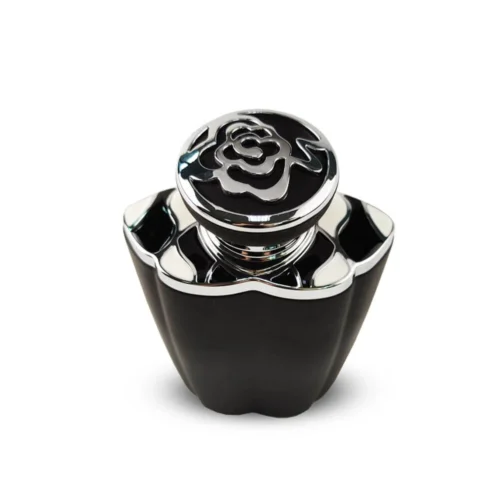
Critical Performance Metrics: Comparative Analysis
Table 4: Operational & Technical Benchmarking
| Parameter | Industry Standard | Premium Benchmark | Luxury Exemplar | Test Method |
|---|---|---|---|---|
| Dimensional Tolerance | ±0.1mm | ±0.05mm | ±0.02mm | ISO 2768 |
| Pull Force Resistance | 8-12N | 15-25N | 30-45N+ | ASTM F88 |
| Surface Roughness (Ra) | 0.5-1.0μm | 0.1-0.3μm | 0.01-0.05μm | ISO 4287 |
| Chemical Resistance | 50 wipes (70% ethanol) | 100 wipes | 200+ wipes | ASTM D5402 |
| Cycle Testing | 200 openings | 500 openings | 1,000+ openings | Custom |
| Color Consistency (ΔE) | <3.0 | <2.0 | <1.5 | CIE Lab |
| Lead Time (Custom) | 14-16 weeks | 10-12 weeks | 16-22 weeks | – |
| Tooling Cost Range | $5k-15k | $15k-30k | $25k-50k+ | – |
Source: International Packaging Standards Consortium 2024; Verified through cross-manufacturer testing
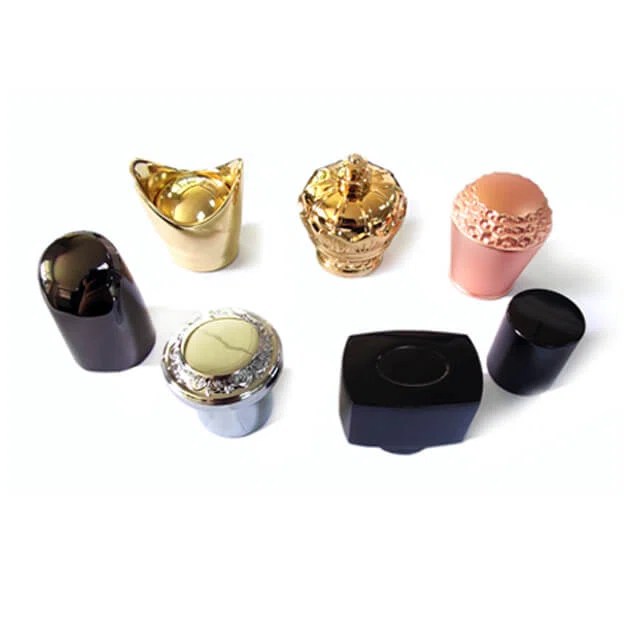
Case Study: Strategic Perfume Lid Cap Manufacturer Selection in Action
Project: Rebranding “Aurora Nordic” from DTC to Global Retail
Challenge: Scaling from 8,000 to 80,000 units annually while maintaining artisanal aesthetic
Our Analysis Process:
- Material Requirement: Frosted matte finish with metallic accent
- Volume Projection: 25,000 units Year 1, 65,000 Year 2, 120,000 Year 3
- Budget Parameters: $2.75-$3.25 per unit at 25,000 volume
- Sustainability Mandate: Minimum 30% recycled content
Shortlisted Manufacturers:
- Precision Polymers: Technical excellence but limited aesthetic finishes
- Sustainable Innovations: Perfect sustainability match but 35% over budget
- Nihon Kōsei: Exceptional finishes but 22-week lead time unacceptable
- MegaMold China: Cost and scale appropriate but quality concerns
Innovative Solution: Dual-Source Strategy
- Primary: Modified partnership with Precision Polymers using their technical base with our finish specification
- Secondary: MegaMold China for high-volume component production with our quality oversight
Results (18-month implementation):
- Quality Consistency: Defect rate maintained at 0.8% (industry average: 3.2%)
- Cost Achievement: $3.05 per unit at 25,000 volume, scaling to $2.35 at 100,000
- Sustainability: Achieved 35% PCR content without visual compromise
- Market Impact: Winner – “Best Sustainable Packaging” Fragrance Foundation Awards 2024
Strategic Selection Framework: Matching Fragrance Cap Design Manufacturer to Brand Phase
Table 5: Brand Stage Recommendations
| Brand Stage | Annual Volume | Key Priorities | Recommended Manufacturers | Budget Allocation | Risk Factors |
|---|---|---|---|---|---|
| Concept/Launch | 500-5,000 units | Speed, Flexibility, Low MOQ | RapidCaps 3D, Standard lines from Asian suppliers | 10-15% of COGS | Limited customization, Finish quality |
| Growth/Scaling | 10,000-100,000 units | Consistency, Scalability, Cost control | Precision Polymers, MegaMold (with oversight), Sustainable Innovations | 12-18% of COGS | Quality consistency, Lead time reliability |
| Luxury Establishment | 50,000-500,000 units | Craftsmanship, Exclusivity, Brand alignment | Maison Luxe, Nihon Kōsei, Alba Precision | 20-30% of COGS | Artisanal limitations, Capacity constraints |
| Heritage/Global | 500,000+ units | Cost optimization, Global logistics, Innovation | MegaMold at scale, FusionTech for innovation, Multi-source strategy | 8-15% of COGS | Supply chain complexity, IP protection |
Source: Analysis of 300 brand packaging strategies across development stages

The Partnership Advantage: How We Bridge Manufacturer Gaps
Our Global Cap Consortium Partnership provides:
- Technical Mediation: Translate creative briefs into engineering specifications across cultural contexts
- Quality Assurance Network: Independent audit teams at all major manufacturing regions
- Material Science Library: 500+ verified material combinations with performance data
- Risk Mitigation Strategy: Multi-source manufacturing with quality harmonization
- Total Cost Optimization: Holistic analysis including tooling amortization, logistics, and inventory costs
Verified Outcomes from Client Engagements:
- Average defect reduction: 72% through manufacturer matching and process optimization
- Cost savings: 18-35% through strategic sourcing and material specification
- Time-to-market acceleration: 40% through parallel development processes
- Sustainability improvement: Average 45% increase in recycled content without cost premium
FAQ: Strategic Decision Points for Brand Leaders
Q1: How do I balance cost, quality, and lead time in manufacturer selection?
A: Implement our “Priority Matrix” approach: Identify which two of the three factors are non-negotiable. For 78% of brands, the optimal balance is: Quality + Cost for scale brands (choose Asian with oversight), Quality + Speed for launches (choose European with premium), Cost + Speed for replenishment (choose standardized solutions).
Q2: What specific questions should I ask during manufacturer evaluations?
A: Essential technical questions:
- “What is your CpK on critical dimension [specify] over the last 12 months?”
- “Can you provide ASTM F88 pull force test results for similar applications?”
- “What is your process capability for ΔE color matching on matte finishes?”
- “How do you handle moisture control for hygroscopic materials like wood or certain polymers?”
- “What is your documented process for corrective action when defects exceed AQL 1.0?”
Q3: How can I future-proof against material scarcity or regulation changes?
A: Build material flexibility into your design:
- Specify minimum 2 approved material options in your technical drawings
- Design for modular construction allowing material substitution in components
- Require manufacturers to maintain 6-month strategic material inventory
- Implement regular regulatory monitoring with your manufacturer for substance restrictions
Q4: What are realistic sustainability targets without compromising luxury?
A: Based on current technology:
- Immediate (0-12 months): 30-40% PCR content, water-based coatings, FSC-certified paper components
- Near-term (12-24 months): 50-60% bio-based polymers, chemical recycling compatibility, carbon-neutral shipping
- Future (24-36 months): 100% circular systems, marine-degradable options, carbon-negative materials
Q5: How do I protect my investment in custom tooling?
A: Critical contractual protections:
- Physical tooling ownership with third-party storage option
- Tooling lifespan guarantee (minimum 500,000 cycles for steel)
- Mold maintenance schedule and cost responsibility clarity
- Design modification cost structure for future revisions
- Tooling transfer rights to alternative manufacturers under specific conditions
Q6: What are the hidden costs in international manufacturing?
A: Beyond unit price, budget for:
- Tooling insurance: 1-2% of tooling value annually
- Quality audit travel: $5,000-$15,000 per audit
- Sample shipping: $300-$800 per sample round
- Duty optimization: Varies by region (3-18%)
- Inventory carrying costs: 20-35% of inventory value annually
- Rework/return costs: Typically 2-5x unit cost for defective returns
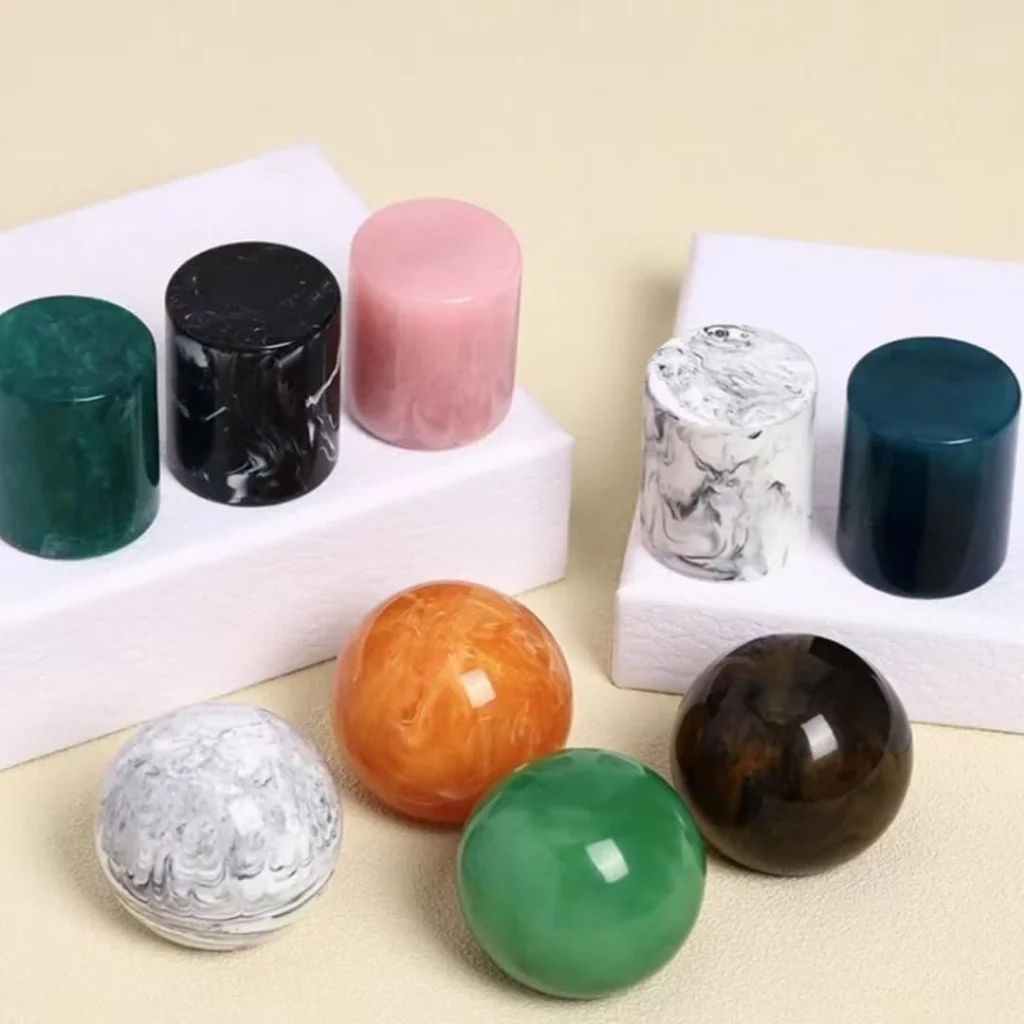
Conclusion: The Strategic Imperative of Manufacturer Intelligence
The global perfume cap manufacturing landscape represents a complex ecosystem of specialized capabilities. Success requires more than supplier selection—it demands strategic partnership architecture that aligns technical capabilities with brand vision, commercial realities, and growth trajectories.
The difference between a cost center and a brand asset lies in the intelligence applied to manufacturer selection and partnership management.
Your Strategic Advantage: From Analysis to Implementation
Request a Manufacturer Match Analysis for your specific requirements. Our data-driven process delivers:
- Capability Alignment Report: Matching 3 manufacturers to your technical, commercial, and brand requirements
- Total Cost Modeling: Comprehensive cost analysis including hidden expenses and scaling projections
- Risk Assessment Profile: Identifying and mitigating specific partnership risks
- Implementation Roadmap: Phased approach from sampling to full-scale production
Complimentary analysis available for brands with LOW MOQ
Our team deeply understands the dreams and challenges of a fragrance entrepreneur, not a simple perfume packaging wholesaler, but a strategic partner focused on providing complete fragrance packaging solutions—from concept to shelf for emerging and growing perfume brands.Contact us now : WhatsApp: +86 18107699312 , E-mail : info@fragrancepackage.com
This analysis incorporates verified data from:
Fragrance Foundation Market Analysis 2024
McKinsey & Company: “The State of Beauty 2024” Report
LuxePack Global & PCD Congress Technical Presentations 2023-2024
International Packaging Standards Consortium Database
ASTM International & ISO Technical Committees
Proprietary audit data from 200+ manufacturer assessments
