

The Art and Science of How to Refill a Perfume Bottle
In the world of perfumery, each press of the pump releases not just a scent, but an expression of emotion, memory, and personal style. However, as the liquid in the bottle gradually diminishes, we face a choice: purchase a brand new bottle or give new life to the existing container? Perfume refilling—an art that blends meticulous operation with creative expression—is becoming the choice for a growing number of fragrance enthusiasts.
Whether it’s preserving the sentimental value of a designer original bottle, embracing a sustainable lifestyle with refillable perfume bottles, or preparing compact travel size perfume bottles for journeys, mastering proper refilling techniques is essential. This article provides a complete guide from basics to advanced methods, covering portable solutions like handbag pocket perfume bottles to the collection art of miniature perfume bottle displays, making your fragrance experience more personalized and eco-friendly.
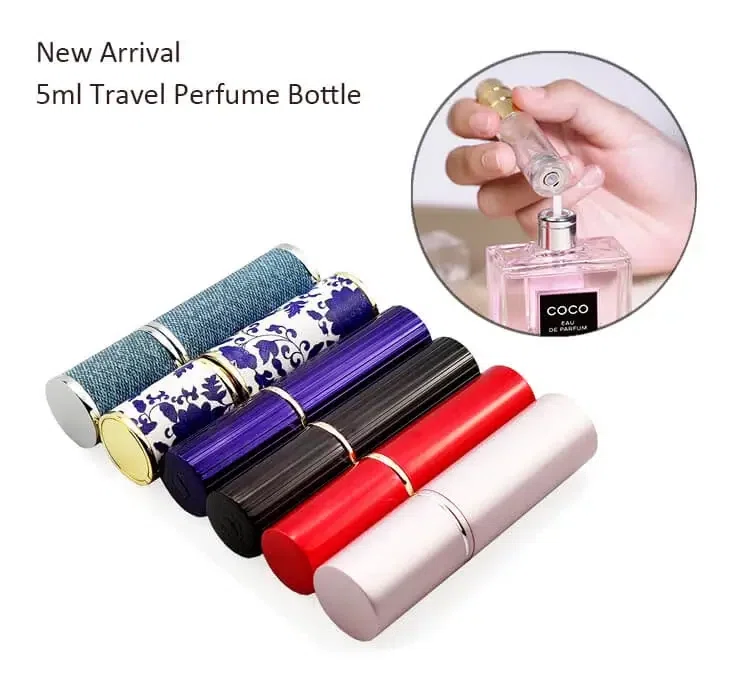
Part 1: Understanding the Core Value and Preparation for Perfume Refilling Bottles
1.1 Why Choose Refilling Over Buying a New Refillable Bottle?
Dual Advantages of Economy and Environmental Protection
- Cost-Effectiveness: Refills for most brand perfumes are 30%-50% cheaper than new bottles. For high-end fragrances, these savings are even more significant.
- Reducing Waste: Millions of discarded perfume bottles are generated each year globally. By refilling, you directly reduce packaging waste.
- Preserving Cherished Designs: Many perfume bottles are artworks in themselves. Refilling allows you to continue appreciating these designs.
Personalization and Convenience
- Travel-Friendly: Use 5ml 10ml perfume bottles to create airline-compliant carry-on fragrances.
- Mix-and-Match Innovation: Experiment with scent blending during refilling to create unique olfactory signatures.
- Continuous Experience: Avoid the risk of losing beloved fragrances due to discontinuation.
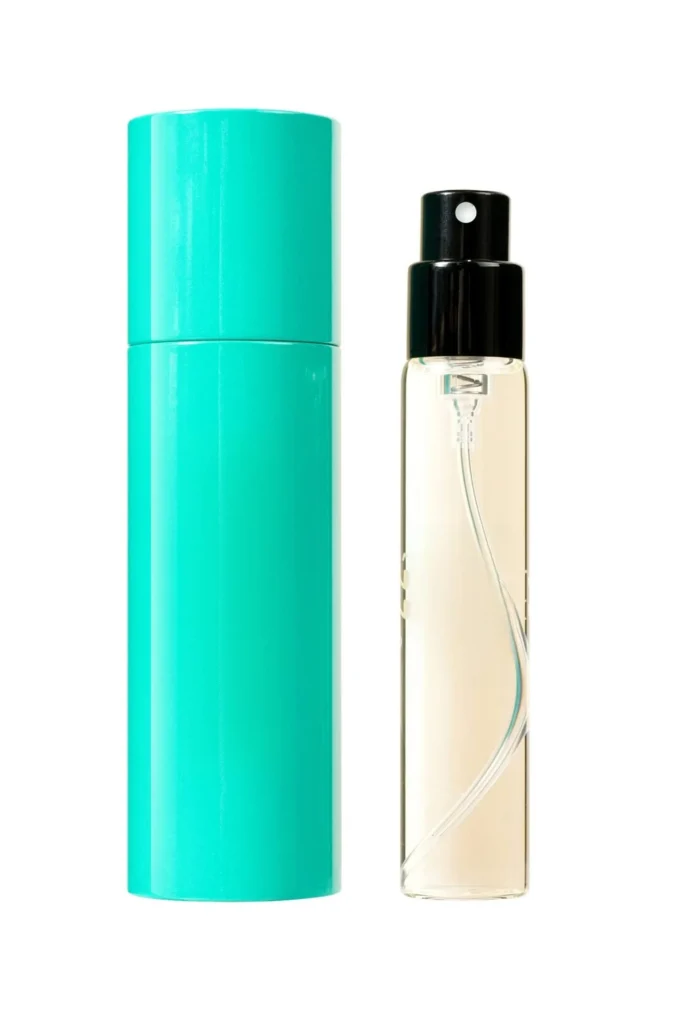
1.2 Preparation Stage: Safety and Tools
Safety First: Workspace Setup
- Well-Ventilated Area: Perfume contains high concentrations of alcohol (typically 60-95%) and must be handled in a ventilated space.
- Flame-Free Zone: Ensure the workspace is away from open flames, candles, heaters, etc.
- Stable Work Surface: Cover with an easy-to-clean surface like glass or stainless steel.
Personal Protective Equipment
- Nitrile gloves (chemical-resistant, powder-free)
- Safety goggles (to prevent accidental splashes)
- Long-sleeved lab coat or apron
Essential Tool Checklist
| Tool Category | Specific Items | Purpose Description |
|---|---|---|
| Transfer Tools | Needle-free medical syringes (1ml, 5ml, 10ml) | Precise measurement and liquid transfer |
| Stainless steel micro funnel set | Different diameters for various bottle types | |
| Glass pipettes/droppers | Handling small volumes or viscous perfumes | |
| Cleaning & Disinfection | 91% isopropyl alcohol | Effective disinfection, fast evaporation |
| Sterile cotton pads and swabs | Detailed cleaning | |
| Distilled water | Initial rinsing | |
| Auxiliary Materials | Precision electronic scale (0.01g accuracy) | Accurately record refill amounts |
| Label stickers and waterproof pen | Record fragrance information and dates | |
| Parts tray | Organize disassembled components |
How to Choose the Right Refill Perfume Bottle
- Refillable Perfume Spray Bottles: Choose products with silicone seals and quality spray mechanisms.
- Handbag Pocket Perfume Bottles: Look for leak-proof designs and durable materials (like anodized aluminum).
- Mini Travel Glass Perfume Bottles: Suitable for essential oils and perfumes; amber glass provides optimal light protection.
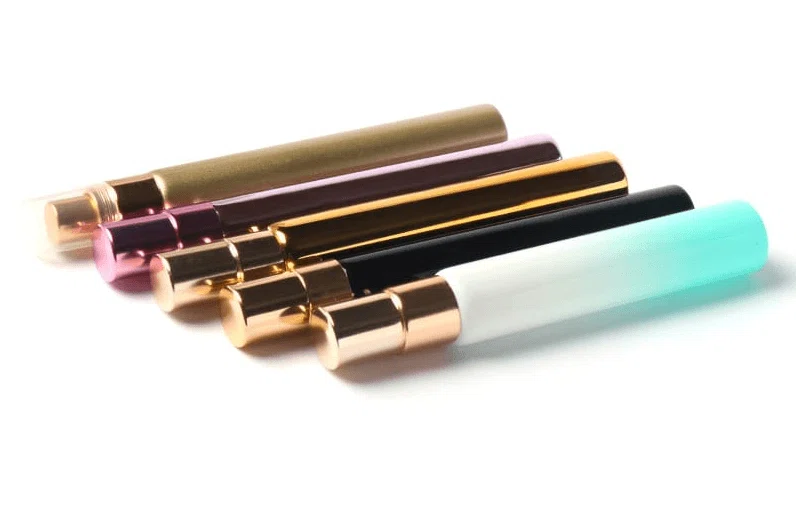
Part 2: Detailed Refilling Fragrance Bottles Operation Process
2.1 Phase One: Comprehensive Cleaning and Disinfection
Proper Cleaning Method
- Complete Disassembly: Fully dismantle the target bottle—body, cap, spray head, straw, spring, etc.
- Alcohol Soak: Soak all non-plastic parts in isopropyl alcohol for 15-20 minutes.
- Detailed Cleaning: Use cotton swabs to clean threads and small corners.
- Thorough Drying: Air dry naturally in a dust-free environment for at least 2 hours, or gently pat with a lint-free cloth.
Professional Tip: If purchasing bottles from mini perfume bottles empty wholesale suppliers, be sure to perform double cleaning as storage environments may have dust.
2.2 Phase Two: Detailed Perfume Bottles Transfer Techniques
Method A: Syringe Method (Most Precise, Most Professional)
Applicable Scenarios: High-value perfumes, small-capacity 5ml and 10ml perfume bottles, and situations requiring precise measurement.
Steps:
- Insert the syringe into the original perfume bottle or perfume refill bottle straw.
- Slowly withdraw, avoiding air intake.
- Gently press the syringe tip against the inner wall of the target bottle.
- Push out the perfume at a steady speed, letting it flow down the bottle wall.
- Leave about 5% air space to prevent thermal expansion.
Technique: If the original bottle’s spray head cannot be removed, seal the syringe tip against the spray head and extract using negative pressure.
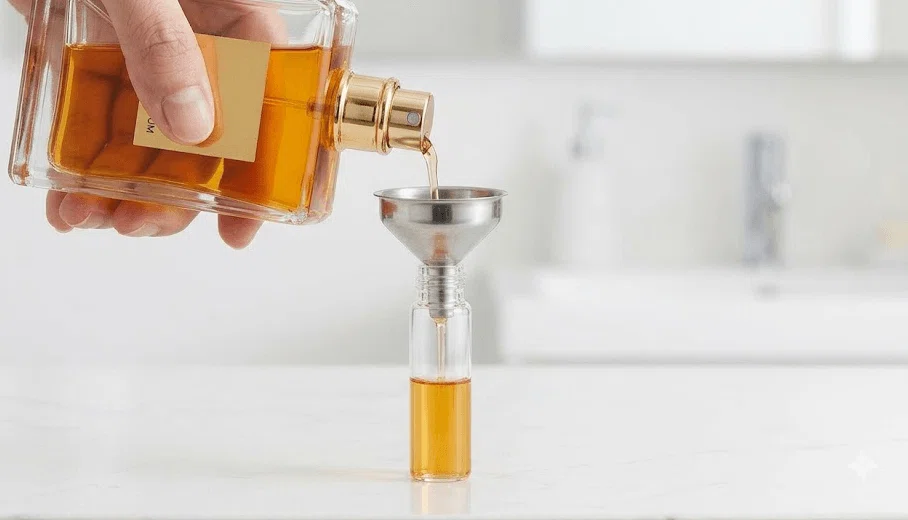
Method B: Funnel Pouring Method
Applicable Scenarios: Large-volume refills, refillable perfume bottles, open-mouth designs.
Steps:
- Select a funnel with a matching diameter.
- Secure the funnel to the bottle mouth with a small amount of tape.
- Slowly pour in the perfume, controlling the flow rate.
- Using a glass rod to guide can reduce bubbles.
Method C: Transfer Tube Method
Applicable Scenarios: Mini travel glass perfume bottles, avoiding oxidation-sensitive perfumes, very small volume transfers.
Steps:
- Use a long, thin transfer tube.
- Utilize gravity or a slight pressure differential to allow perfume flow.
- Keep the tube end submerged in the target liquid.
2.3 Phase Three: Special Perfume Bottle Type Handling Techniques
Refilling Strategies for Different Bottle Types
| Bottle Type | Challenges | Solutions |
|---|---|---|
| Rollerball Bottles | Difficult to clean and fill | Use ultra-fine needle syringes, fill to 70% capacity |
| Non-Spray Bottles | Prone to spillage | Use micro funnels and slow operation |
| Special-Shaped Bottles | Hard-to-reach corners | Use curved tubes or flexible transfer tools |
| Vintage Bottles | Easily damaged | Professional assessment, may require custom tools |
Special Considerations for Travel-Size Perfume Bottles
- Ensure 100% leak-proof: Test upside down for 24 hours after filling.
- Clear labeling: Include perfume name, concentration, and emergency contact information.
- Comply with airline regulations: Single containers not exceeding 100ml, total not exceeding 1 liter.
2.4 Phase Four: Reassembly, Testing, and Labeling
Correct Reassembly Steps
- Check all seals for integrity.
- Assemble parts in the correct order.
- Tighten appropriately—overtightening damages threads, undertightening causes leaks.
- For refillable perfume spray bottles, press the pump 10-15 times before first use to build pressure.
Leak Test Protocol
- Thoroughly dry the bottle exterior with a paper towel.
- Invert and gently shake.
- Place on absorbent paper for 1 hour.
- Check for any signs of moisture.
Professional Labeling System
Create labels containing:
- Perfume name and brand
- Fragrance classification (EDP, EDT, etc.)
- Refill date and expiration date
- Special notes (e.g., “keep away from light,” “shake before use”)
- If mixed, note ingredient ratios.
Part 3: Creative Applications and Professional Techniques
3.1 Establishing a Personal Perfume System
Categorization and Rotation System
- Seasonal Rotation: Prepare different fragrance types for different seasons.
- Occasion Classification: Daytime, nighttime, and special occasion exclusives.
- Capacity Planning: Use larger refillable perfume bottles for frequently used perfumes, and small capacities for experimental fragrances.
The Art of Miniature Perfume Bottle Displays
Create an attractive miniature perfume bottle display:
- Use tiered displays to add dimension.
- Arrange by color, brand, or fragrance notes.
- Add appropriate lighting to highlight beautiful bottles.
- Create detailed information cards for each bottle.
3.2 Perfume Blending and Customization
Safe Blending Principles
- Start Small: Initial blends should not exceed 10% of total capacity.
- Record Formulas: Document each ingredient’s ratio in detail.
- Compatibility Testing: Test reactions on blotter paper before blending.
- Patience: Allow blends to rest for 2-4 weeks for the scents to meld.
Popular Blending Ideas
- Increase longevity: Add a small amount of the same line’s body lotion essence.
- Adjust seasonal suitability: Add fresh citrus notes to summer perfumes.
- Create unique signatures: Mix two complementary perfumes in a 70:30 ratio.
3.3 Business and Entrepreneurial Opportunities
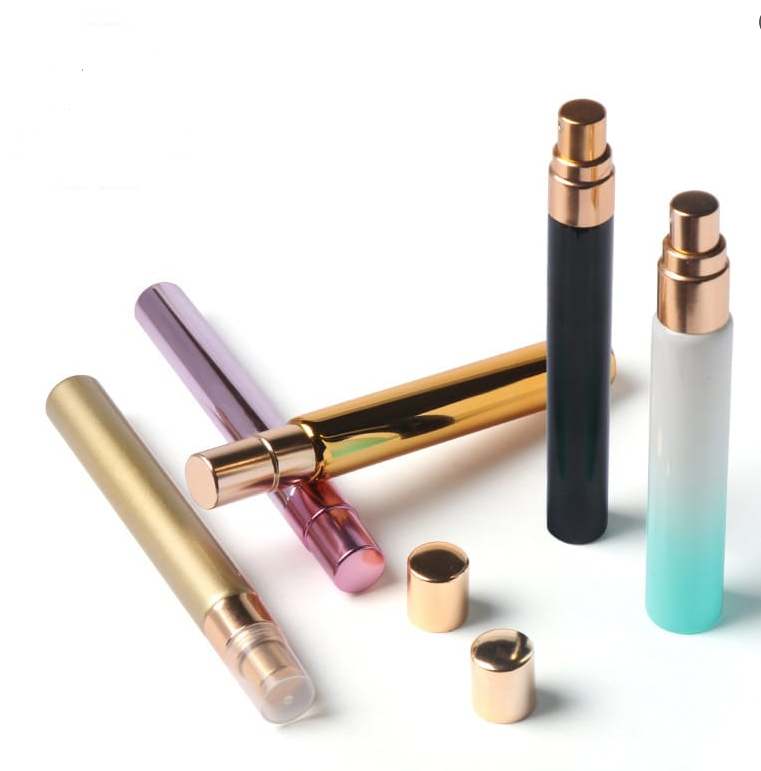
Selling Empty Perfume Bottle Sets
If you have an eye for design and sourcing channels:
- Source from mini perfume bottles empty wholesale suppliers.
- Combine into themed sell empty perfume bottles sets.
- Add value with services like personalized engraving.
- Target customers: Fragrance enthusiasts, DIY creators, small brand entrepreneurs.
Popular Set Ideas
- “Traveler’s Set”: Contains various travel-size perfume bottle sizes.
- “Perfumer’s Starter Set”: Various bottle types, funnels, and tools.
- “Vintage Collection Set”: Empty bottles replicating classic perfume designs.
Handbag Pocket Perfume Bottle Customization Services
- Offer personalized engraving.
- Design multifunctional caps (doubling as pendants).
- Develop smart reminder features (refill alerts).
- Create subscription services, regularly offering new designs and refill perfumes.
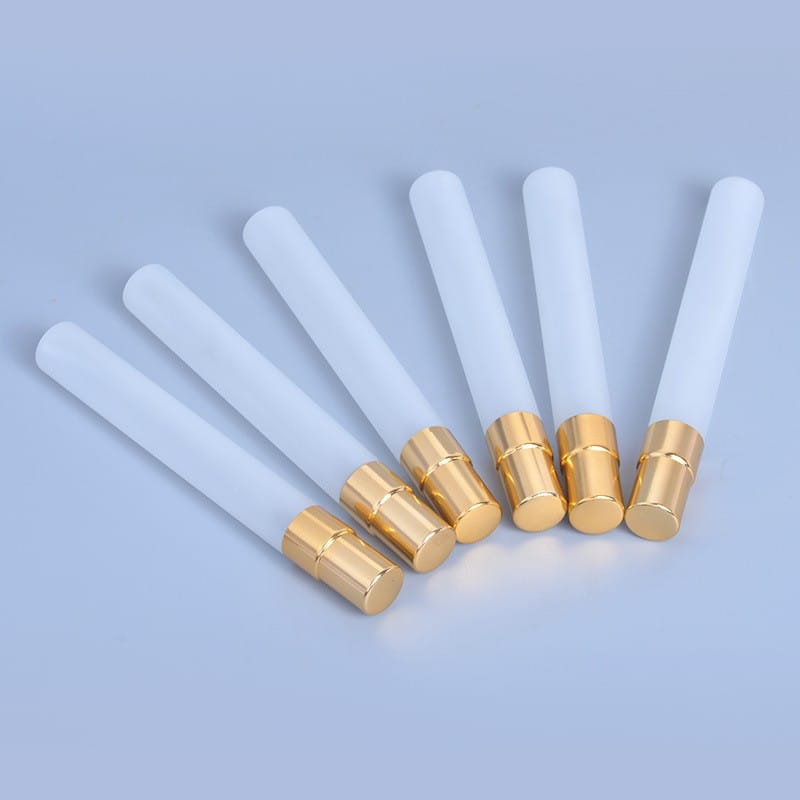
Part 4: Troubleshooting and Advanced Maintenance
4.1 Common Problem Diagnosis and Solutions
| Problem | Possible Causes | Solutions |
|---|---|---|
| Poor spray after refill | Straw not in liquid Pump not correctly installed Liquid too viscous | Refill to appropriate level Disassemble and reinstall Gently shake bottle |
| Perfume discoloration or cloudiness | Chemical incompatibility Incomplete cleaning Oxidation reaction | Discard and thoroughly clean Improve cleaning process Use inert gas protection |
| Leakage issues | Damaged seals Misaligned threads Overfilling | Replace seals Check and reassemble Reduce fill amount |
| Scent changes | Contamination Oxidation Ingredient separation | Strengthen cleaning and disinfection Improve storage conditions Gently shake before use |
4.2 Long-Term Storage and Maintenance
Ideal Storage Conditions
- Temperature: Stable at 15-18°C (59-64°F)
- Light: Complete darkness, especially avoiding UV light
- Humidity: 50-70% relative humidity
- Position: Always store upright, avoiding contact with cap materials
Professional Storage Solutions
- Custom Perfume Refrigerator: Small dedicated refrigerator maintaining constant 12°C.
- UV-Filtered Display Cabinet: Provides protection while showcasing miniature perfume bottle displays.
- Vacuum Sealing System: For rarely used collector-grade perfumes.
Regular Maintenance Schedule
- Monthly: Check all bottles for signs of leakage.
- Quarterly: Clean bottle exteriors and display areas.
- Annually: Assess perfume condition, consider refilling or replacement.
- Biennially: Replace all bottle seals (if applicable).
4.3 Handling Special Perfume Types
Parfum/Extrait (High Concentration Perfume)
- Higher concentration of essential oils, potentially more viscous.
- Use pre-warmed tools (warmed in water) to improve flow.
- Allow longer resting time after filling (1-2 weeks) for scent stabilization.
Eau de Cologne
- High alcohol content, fast evaporation.
- Operate quickly.
- Ensure excellent bottle mouth sealing.
Natural/Organic Perfumes
- No preservatives, shorter shelf life.
- Only refill amounts to be used soon.
- Store in refrigerator to extend lifespan.
Part 5: Resources, Tools, and Advanced Learning
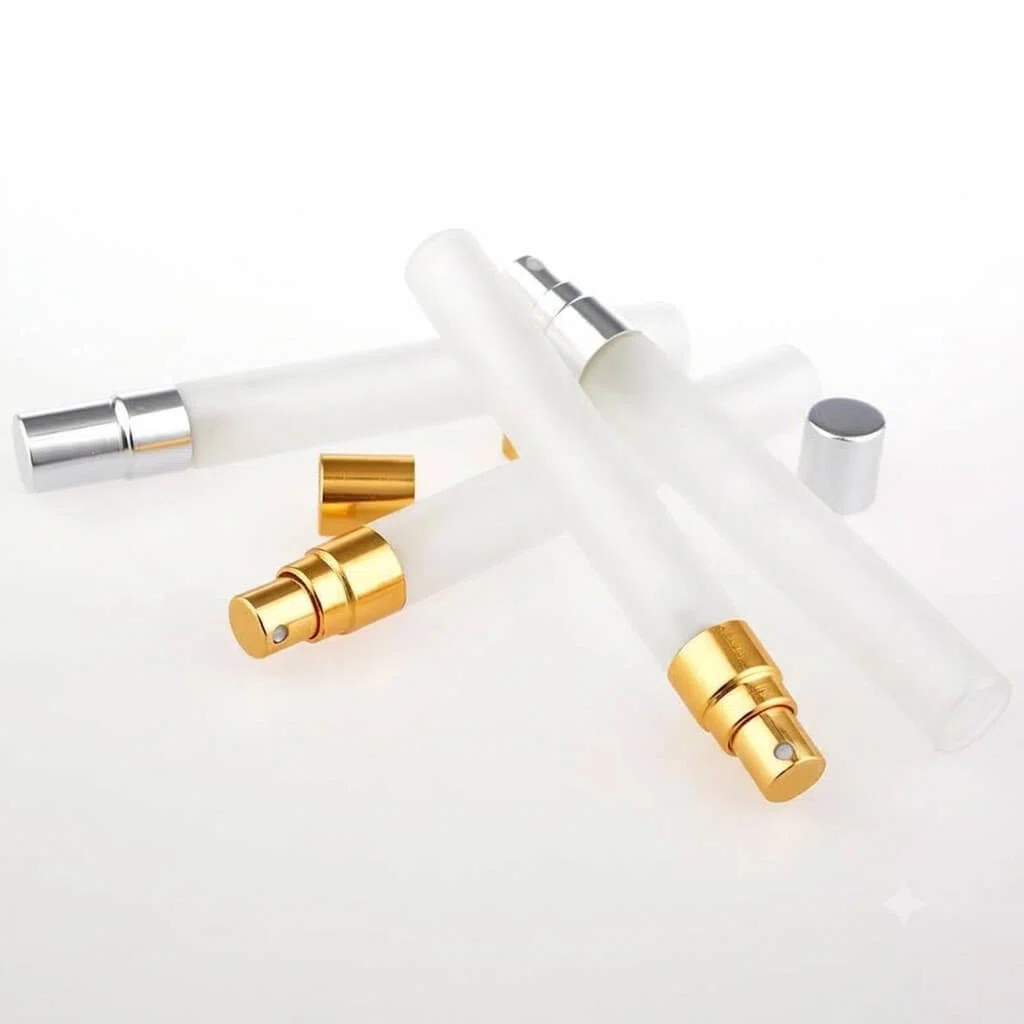
5.1 Professional Tools and Suppliers
Recommended High-Quality Tools
- Brannan Laboratory Syringes: Precise, durable, various capacities.
- Uline Micro Funnel Sets: Stainless steel, professional grade.
- Sigma-Aldrich Laboratory Pipettes: Research-grade precision.
Wholesale and Bulk Purchasing
When needing large quantities of bottles, consider:
- Mini perfume bottles empty wholesale suppliers: Compare minimum order quantities and prices.
- Customization options: Bottle printing, special colors, custom caps.
- Sample testing: Obtain samples to check quality before large orders.
Popular Online Resources
- Fragrance enthusiast forums (e.g., Basenotes, Fragrantica)
- DIY perfume-making courses (Coursera, Skillshare)
- Professional tool suppliers (Amazon, professional lab equipment websites)
5.2 Setting Up a Perfume Refilling Workstation
Efficient Workstation Layout
- Cleaning Area: Sink, disinfection tools, drying rack.
- Operation Area: Stable workbench, adequate lighting, tool shelves.
- Drying/Storage Area: Dust-free cabinet, labeling station.
- Testing Area: Blotter paper, logbook, reference samples.
Return on Investment Analysis
- Initial investment: Professional tools approximately $200-500.
- Savings per refill: 50-70% compared to new bottle purchases.
- Payback period: Typically 3-6 months depending on usage frequency.
5.3 Community and Continuous Learning
Joining Fragrance Communities
- Local fragrance enthusiast gatherings.
- Online forums and social media groups.
- Professional perfumer associations.
Continuing Education Opportunities
- Online courses in perfume chemistry.
- Workshops on perfume preservation and restoration.
- Lectures on bottle design and history.
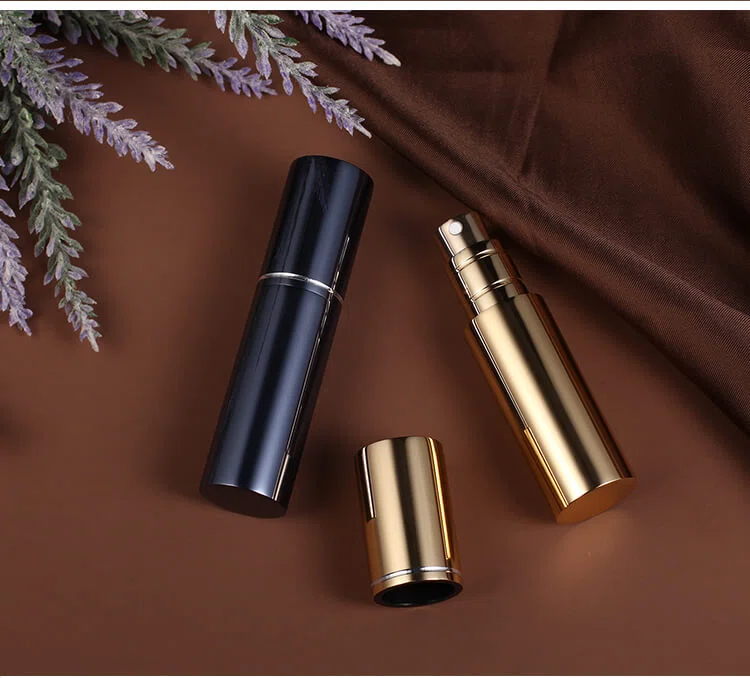
Last part : The Artistic Journey of Perfume Refilling
Mastering perfume bottle refilling techniques is a journey of liberation—transforming from consumer to curator, from user to creator. Through this guide, you have learned how to:
- Professionally refill various types of perfume bottles, from delicate handbag pocket perfume bottles to practical travel size perfume bottles.
- Create and maintain stunning miniature perfume bottle displays.
- Safely and effectively handle essential oils and perfumes in mini travel glass perfume bottles.
- Utilize perfume refill bottles and economical 5ml 10ml perfume bottles.
- Explore business opportunities like selling carefully curated empty perfume bottle sets.
More importantly, you have joined a growing community that values sustainability, creative expression, and deep appreciation of the art of perfumery.
Final Reminder: Perfume is a sensitive artwork—respect its chemical nature and aesthetic value. Each refill is an act of care—for your cherished perfumes, for the resources you spend, and for your personal style.
As you begin your own perfume refilling journey, remember: patience brings perfection, practice brings mastery, and passion brings joy. May each of your perfume bottles be filled with meaning, beauty, and your unique personal imprint.
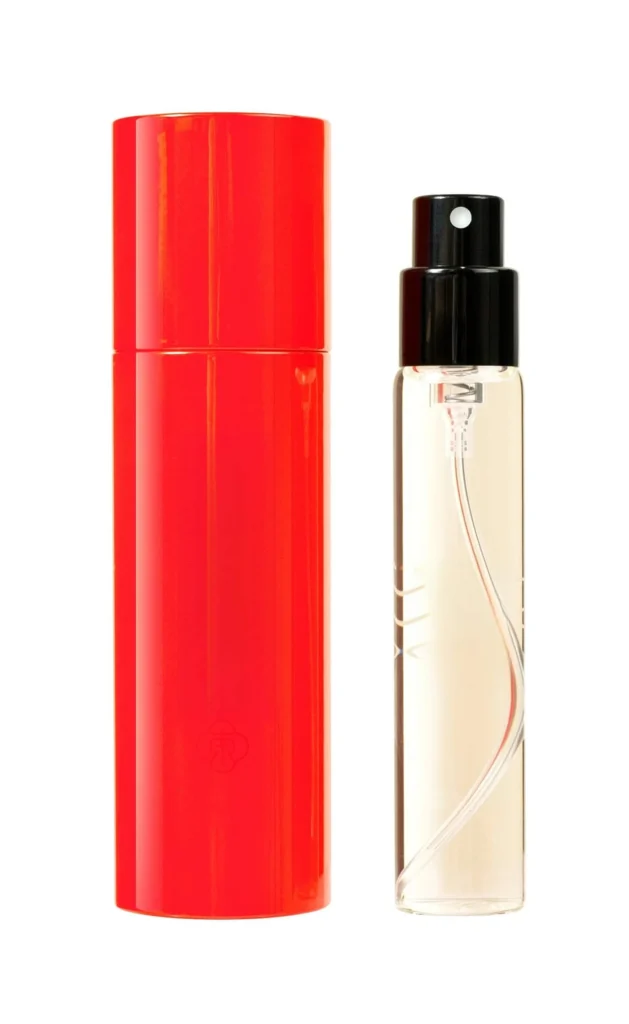
Tips for Traveling with Mini Small Perfume Bottles
Traveling with perfume doesn’t have to be a hassle. Here are some tips to make it easier:
- Use Leak-Proof Bottles: Ensure your travel-size bottles are tightly sealed to prevent leaks.
- Pack in a Plastic Bag: Place your perfume bottles in a resealable plastic bag to protect your luggage from spills.
- Opt for Solid Perfumes: Consider solid perfumes or scent sticks as an alternative to liquid fragrances.
Conclusion
Refilling perfume bottles is a practical skill that enhances the versatility and convenience of your fragrance collection. Whether you’re using a refillable bottle for travel or to save space in your handbag, knowing how to transfer your favorite scents can save you time and money. With the right techniques and a bit of practice, you’ll be able to enjoy your favorite perfumes anytime, anywhere.
If you don’t care about the pocket travel refillable small perfume bottle brands, please contact us to buy 5ml bottom refilling metal leather small bottles, any quantity can be shipped for you. Please go to the HOME Page to learn about my factory.
WhatsApp: +86 18107699312
E-mail : [email protected]
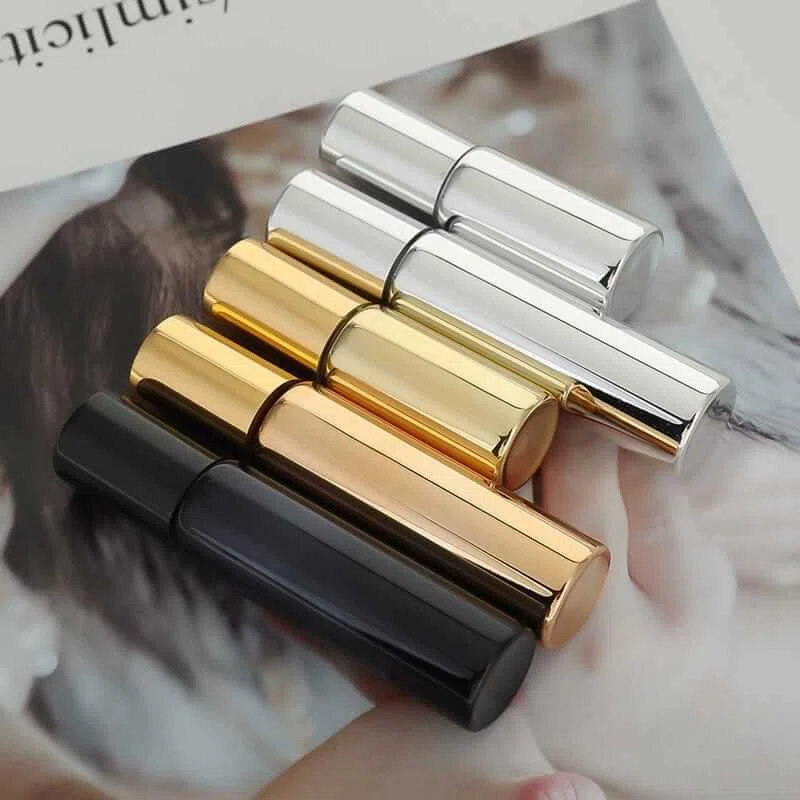
Frequently Asked Questions (FAQ) about How to Refill a Perfume Bottle
Three common tools for refilling: a mini metal or plastic funnel (ideal for bottles with twist-off caps), a syringe or transfer needle (ideal for extraction), and a bottom-fill travel atomizer (which attaches directly to the main bottle’s nozzle valve and fills via pumping).
If the spray nozzle on the main bottle cannot be unscrewed, pull off the top nozzle cap to expose the plastic dip tube stem. Then, attach a specialized perfume transfer syringe or a bottom-fill travel atomizer directly onto the stem to extract or pump the liquid.
If there is residual perfume or debris inside the bottle, cleaning is recommended. Rinse the bottle with 90% isopropyl alcohol to neutralize lingering scents, and ensure it is completely air-dried with no moisture left inside before pouring in new perfume.
Filling to the top is not recommended. Leave roughly 5% to 10% of headspace at the top. This extra room prevents liquid from overflowing when reinstalling the pump/spray nozzle and avoids leakage caused by liquid expansion during temperature changes.
Remove the top nozzle cap from the main perfume bottle to expose the spray stem. Align the refill valve at the bottom of the travel atomizer with the stem, then press straight down repeatedly to fill the travel bottle through the bottom valve.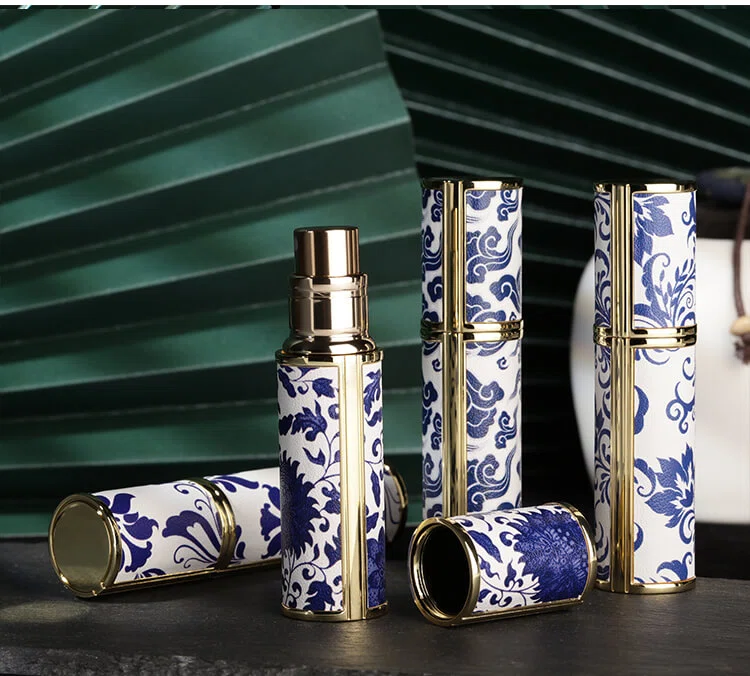
Work in a flat, draft-free environment. Once refilling is complete, make sure the spray pump or threaded cap is tightly screwed on and sealed. Store the bottle in a cool, dry place away from direct sunlight and high temperatures.
Air occupies the dip tube inside a newly installed spray assembly. You usually need to press the nozzle 2 to 3 times to purge the air from the tube before the liquid sprays smoothly.
Liquid surface tension and air pressure can trap air in small funnel openings. Slightly lift the funnel so it does not sit flush against the bottle mouth; leaving a small gap for air to escape allows the liquid to flow smoothly.
Glass bottles offer excellent chemical stability, preventing reactions with perfume ingredients and preserving the original fragrance best. Aluminum exteriors are impact-resistant, opaque, and ideal for travel. A “glass inner vial with an aluminum outer shell” structure is generally recommended.
Frequent air exposure causes alcohol and volatile top notes to dissipate. Using sealed transfer methods like a syringe or a bottom-fill atomizer minimizes contact between the perfume and air. It is also best to transfer a moderate amount at a time.
