

Zamac (zinc alloy) is the top choice for mid-to-high-end solid perfume cases. It offers great strength, a premium surface finish, and a solid feel. However, design and production require careful attention due to its physical properties and the nature of solid perfume from Custom Zamac solid perfume case manufacturer.
1. Structural Design and Die-Casting for Zamac solid perfume case
- Uniform Wall Thickness: Keep wall thickness between 1.2mm and 2.0mm. Add rounded fillets (R-angles) at corners to prevent shrinkage holes, air bubbles, or stress concentration.
- Draft Angle: Add a 1° to 2° draft angle to outer walls and inner cavities. This prevents surface scratches during mold release and reduces polishing costs.
- Parting Line Location: Hide parting lines in seams or edges. Do not place them on main visible surfaces, as manual trimming reduces efficiency and ruins the surface finish.
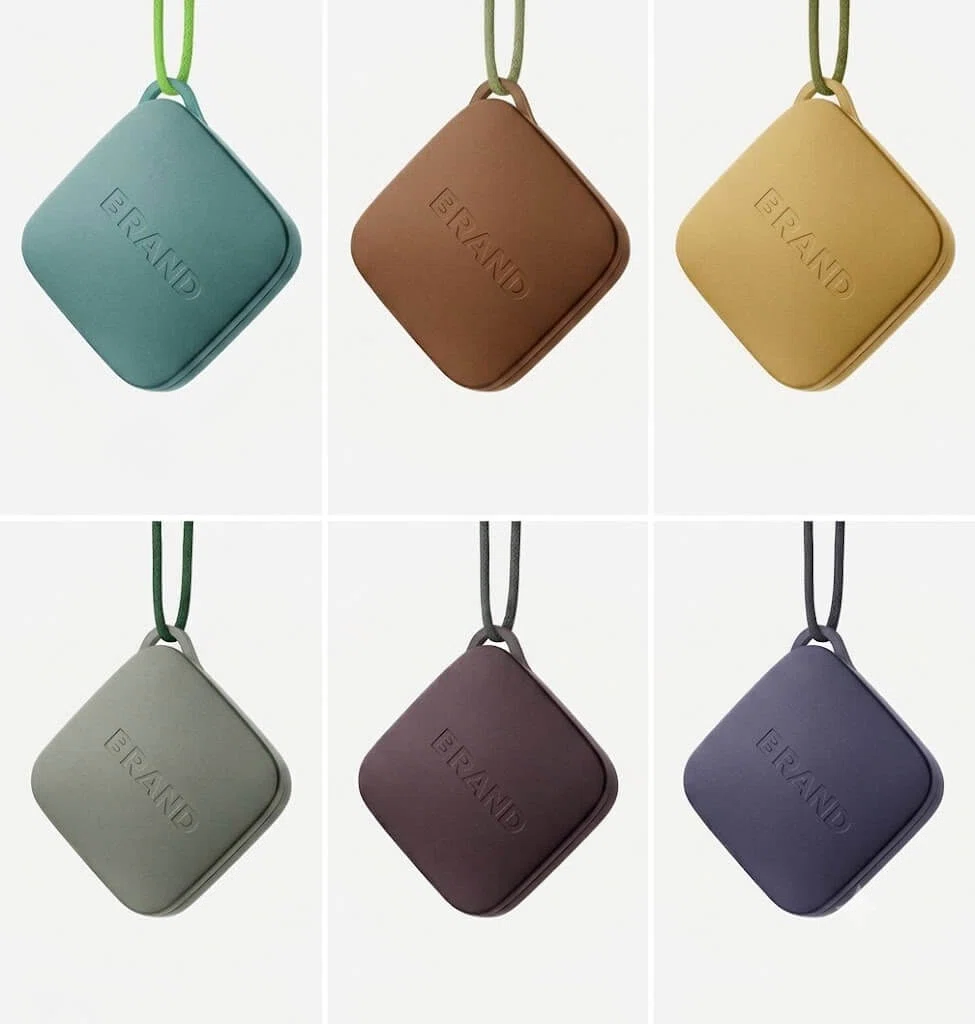
2. Sealing and Formula Compatibility for Zamac Solid Fragrance Case with Aluminum Inner Cup
- Evaporation and Leak Prevention:
- Fragrance Barrier: Fragrance oils and alcohol can leak through micro-gaps. Use a silicone gasket or a PE/PP inner liner to create a reliable seal.
- Heat and Leak Resistance: Solid perfume melts during filling 60° – 70° and in hot environments. Use step-latch joints or interlocking lips at seams to block leaks.
- Inner Liner Protection:
- Direct Fill Risk: Direct contact with raw Zamac can cause a chemical reaction. This discolors the metal, creates bad odors, or spoils the formula.
- Recommended Solution: Use an aluminum inner cup. Fill it first, then snap it into the outer case. If you must fill directly, apply a nano anti-corrosion coating or food-grade electroplating inside the cavity.
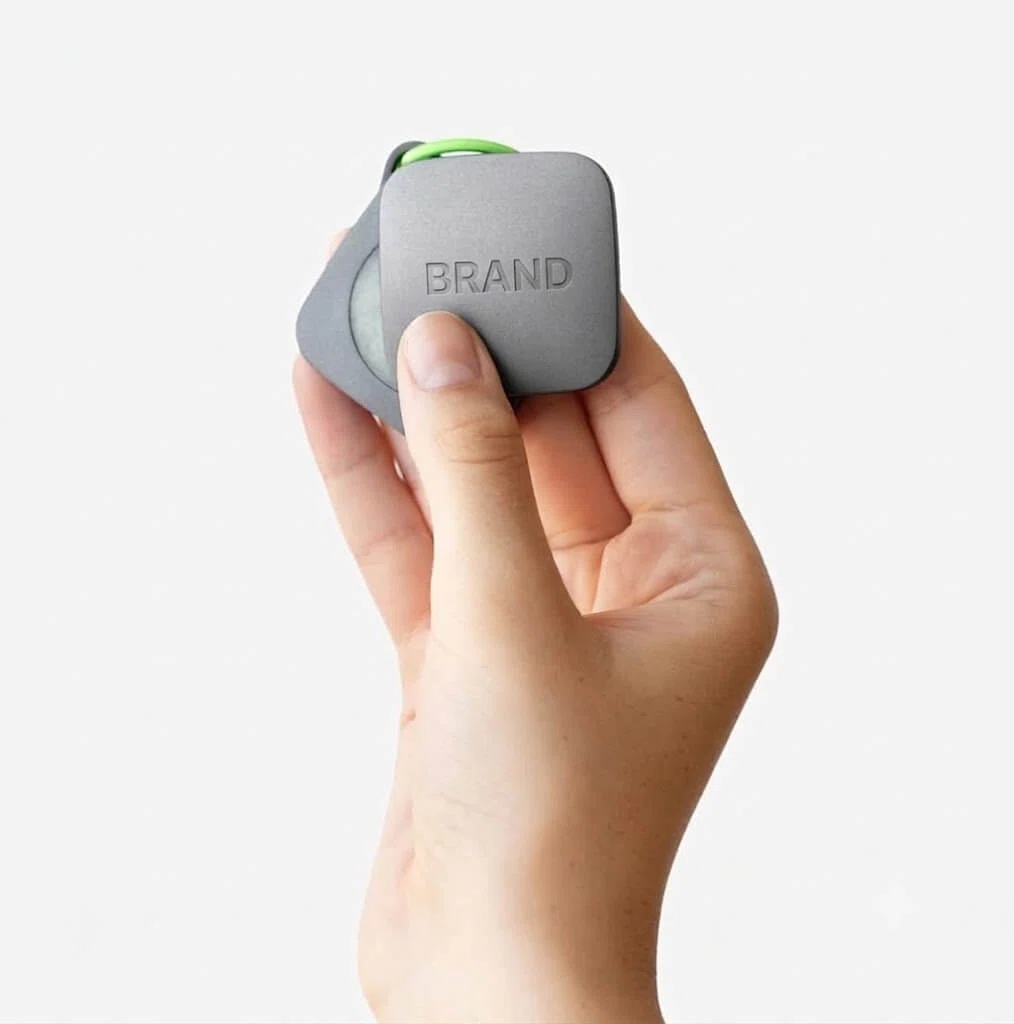
3. Surface Finishing and Quality Control
- Electroplating and E-Coating:
- Zamac oxidizes quickly. Apply surface treatments right after polishing.
- Polishing Standard: Complete a thorough mirror polish before plating. Pin-holes on raw Zamac will expand into visible bubbles after plating.
- Corrosion Resistance: Pass a Neutral Salt Spray Test (24–48+ hours) and a fragrance immersion test to make sure coatings do not peel or bubble.
- Adhesion Testing:
- Pass a Cross-Hatch Adhesion Test (4B/5B standard) on painted, sandblasted, or electroplated surfaces. This prevents peeling when carried with keys or hard objects.
- Logo Engraving:
- Molded Logo: Keep depth between 0.2mm and 0.4mm. Shallow logos get buffed away during polishing, while deep ones tear during mold release.
- Laser Engraving: Protect exposed raw metal against oxidation if you laser-engrave after plating or painting.
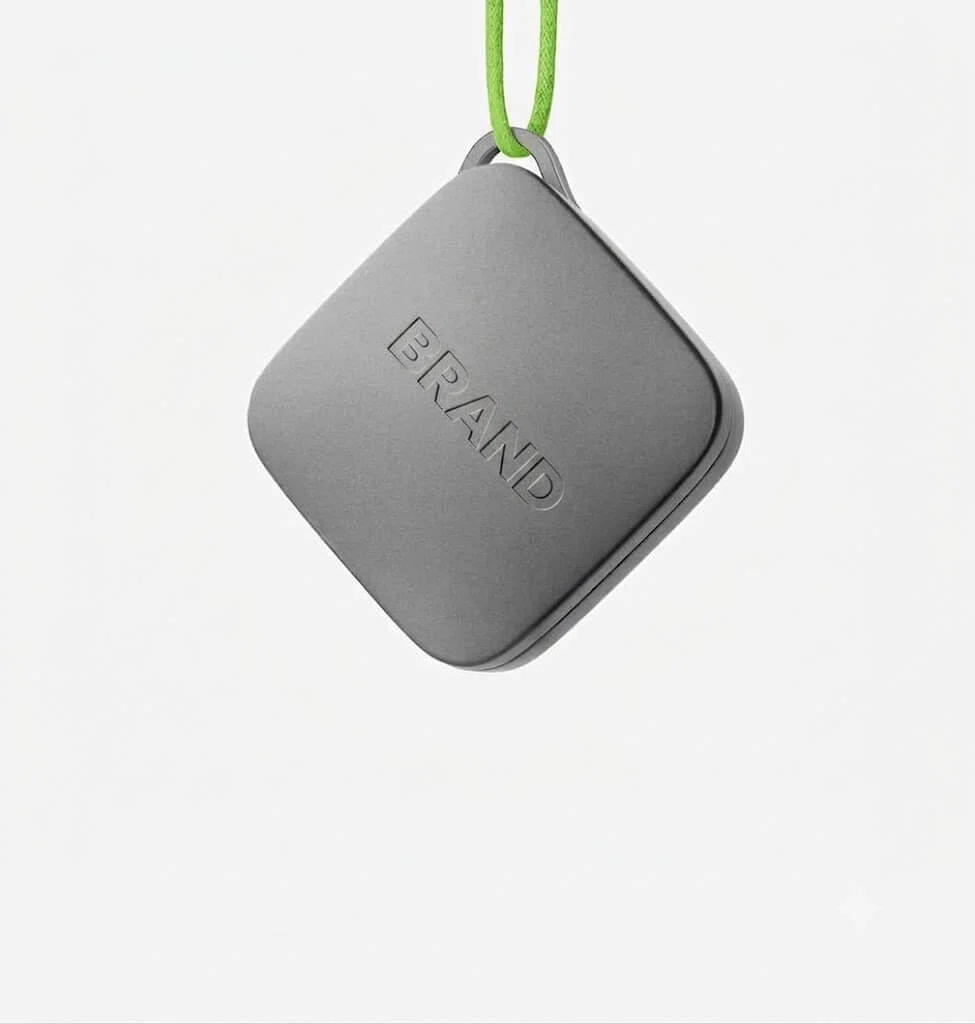
4. Fit, Tolerance, and Weight Control
- Fit and Clearance:
- Magnetic Closure: Use nickel-plated Neodymium magnets to stop rust. Add magnet recessed holes and control wall thickness to keep strong magnetic force.
- Sliding or Flip Tops: Zamac is heavy. Keep slide-rail clearance between 0.08mm and 0.15mm. Too much space causes rattling; too little causes jamming after plating adds thickness.
- Weight and Drop Protection:
- Zamac is dense (approx. 6.6 g/cm. Hollow out inner cavities (sinking) to reduce weight for easy carrying.
- Heavy cases take high impact when dropped. Reinforce hinges, latches, and load-bearing points against breakage.
5. Assembly and Structural Fastening
- Screws and Latches: Self-tapping screws strip easily in Zamac. Use machine screws with pre-threaded inserts or press-fit / ultrasonic assembly for inner liners.
- Lanyard Loop Strength: For wearable perfume cases, keep lanyard loop wall thickness at 1.5mm or more to prevent metal fatigue and snapping.
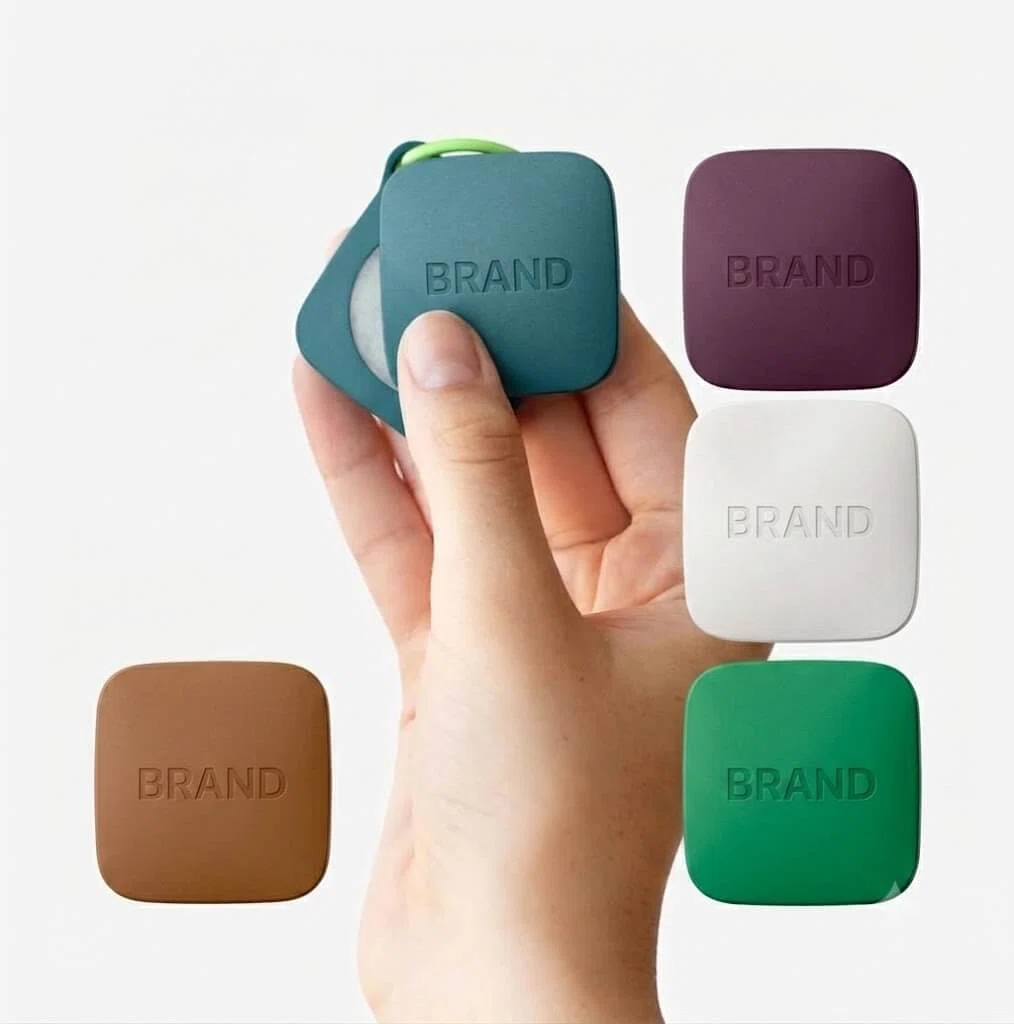
Frequently Asked Questions (FAQ) for Custom Metal Solid perfume Packaging Container
A: Fragrance oils can react with raw Zamac metal. This causes discoloration, bad smells, or spoiled perfume. A separate aluminum or plastic liner isolates the formula and keeps it safe.
A: Keep wall thickness between 1.2mm and 2.0mm. Uniform thickness prevents air bubbles, shrinkage holes, and weak spots during casting.
A: Keep the mechanical gap between 0.08mm and 0.15mm. Electroplating adds a thin layer of metal, so you must account for this extra thickness during mold design.
A: Set the logo depth to 0.2mm – 0.4mm. If it is too shallow, polishing will erase it; if it is too deep, the part will stick in the mold.
A: Solid perfume melts into liquid around 60°. Use a silicone sealing ring or interlocking step-joints around the lid seams to form a liquid-tight barrier.
